
What Arthur showed me did not happen quickly.
It took years.
Years of modeling. Years of offering tools without insisting on their use. Years of sitting with uncertainty and trusting that learning doesn’t always announce itself.
Arthur was exposed to many experiences, strategies, and ways of interacting through Ms. Kate’s Talker Power class. He didn’t join the games. He didn’t participate in the activities the way one might expect. I knew he was watching. Absorbing. Storing. I didn’t know if—or when—he would ever use these strategies. I also knew that his PDA neurotype—his need for autonomy, his resistance to being directed, his way of deciding for himself what mattered—shaped how he engaged with these experiences.
Years later, those ideas surfaced—not during a lesson, but in moments that mattered.
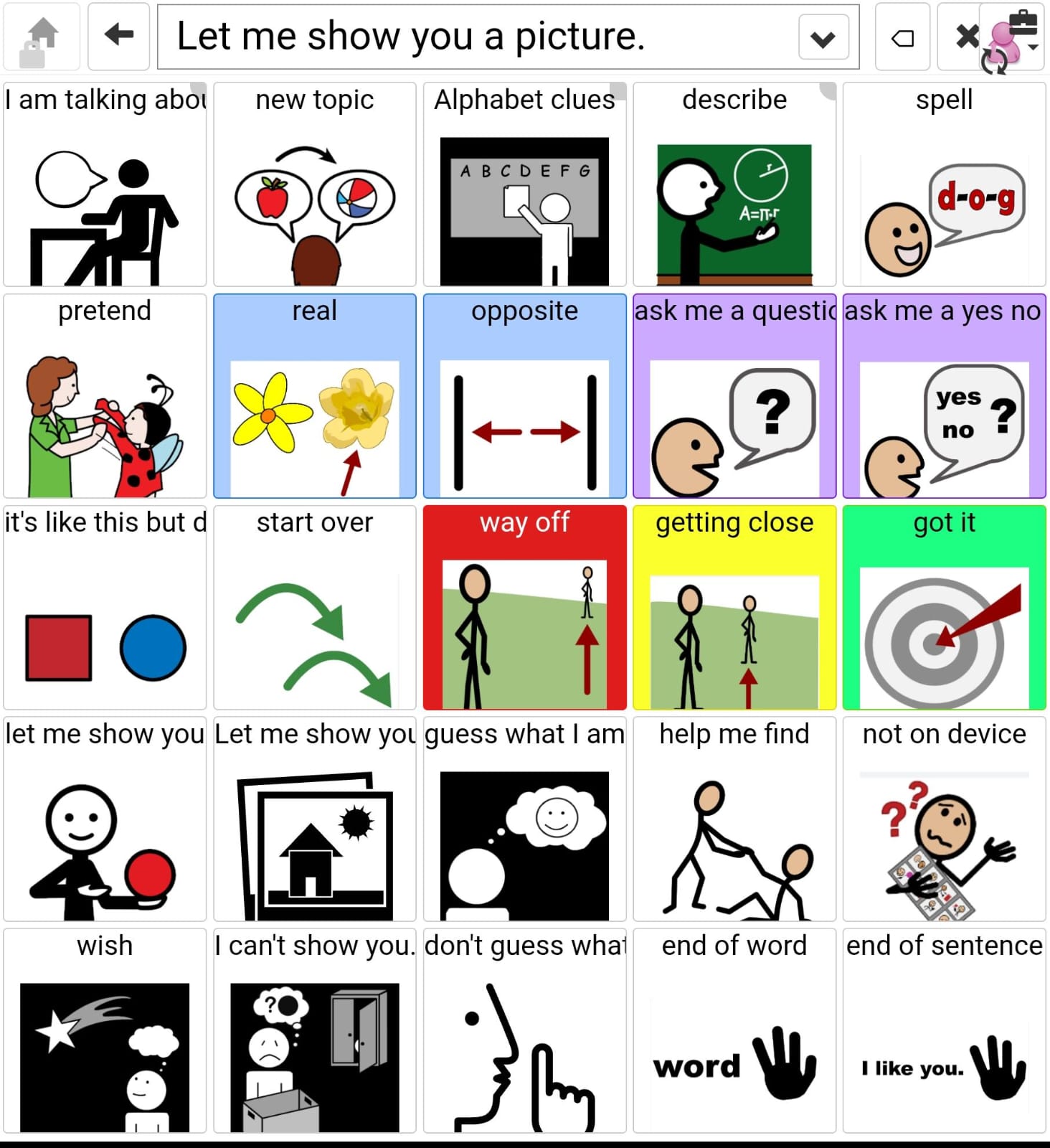
One day, Arthur was searching for something. I could see the urgency in his body, but I couldn’t figure out what he wanted. This time, I gently reminded him to think about how he could show me what he wanted—without hurting himself or anyone else.
Instead of escalating, Arthur took my phone, opened the gallery, and searched until he found a picture. He showed it to me.
It was a toy I had packed away in the cupboard, assuming he no longer used it. I told him where it was. We went upstairs together. When I handed it to him, his face brightened with delight.
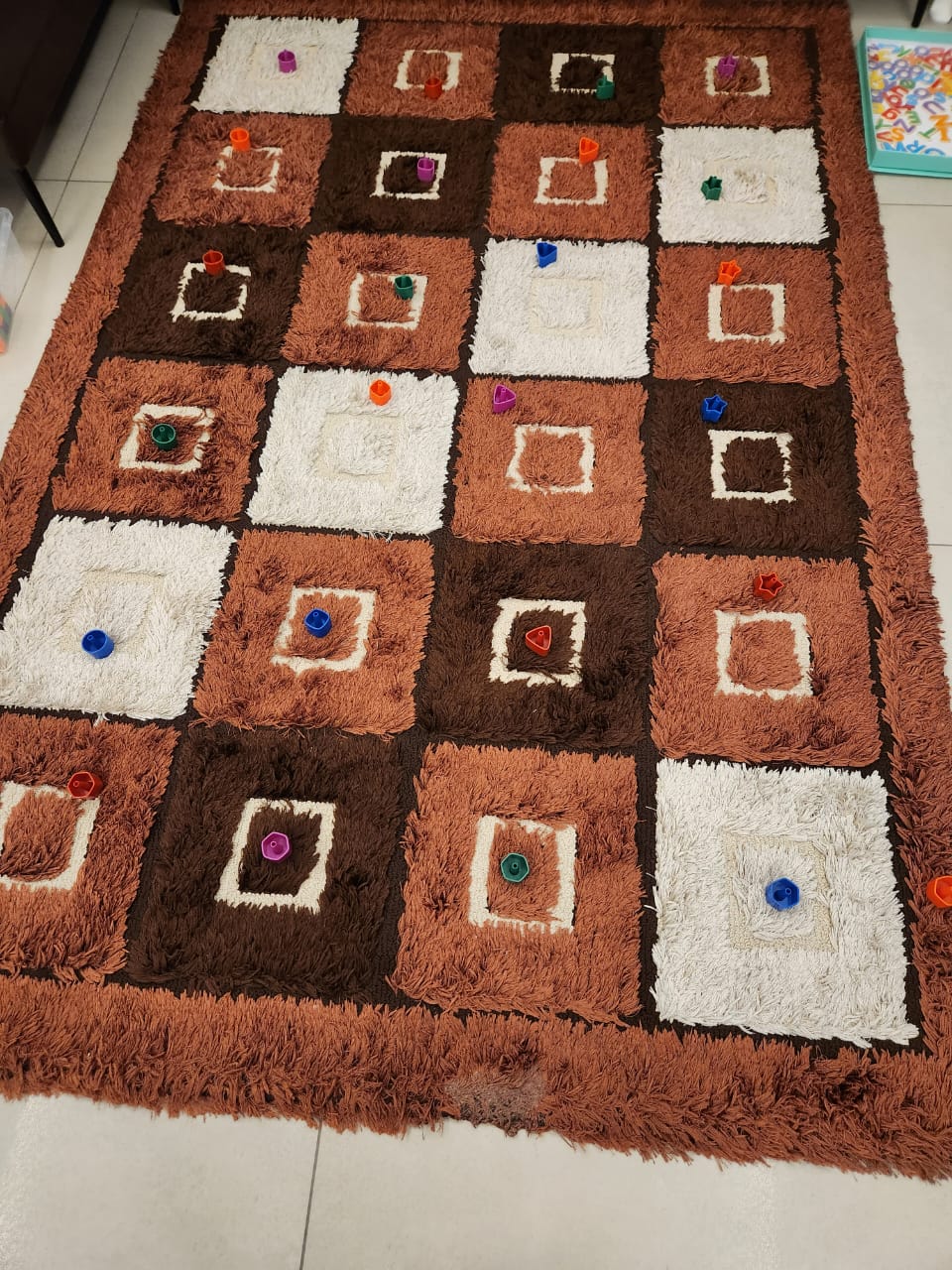
Another day, a different kind of repair unfolded.
Arthur usually watches a particular days of the week song that starts with “7 days in a week,” and he always watches it on a specific mobile phone. That day, I had placed the phone on charge behind the aquarium—hidden—because it wasn’t charging properly in its usual place.
A little while later, Arthur was searching again. I couldn’t tell what he wanted. I asked gently. This time, he didn’t gesture or point. He decided to use his CoughDrop AAC app.
He navigated—Time folder → Days and Months → Months—and selected:
“7 days in a week.”
We hadn’t used that button in years.
He repeated it until it clicked for me. He wasn’t naming days. He was asking for that phone—so he could watch that song. His insistence on that exact phone may reflect his unused gestalt—how he holds past experiences as a whole—and helps him navigate unpredictability, uncertainty, and maintain comfort.
When I handed him the phone, his face brightened with delight. 💛
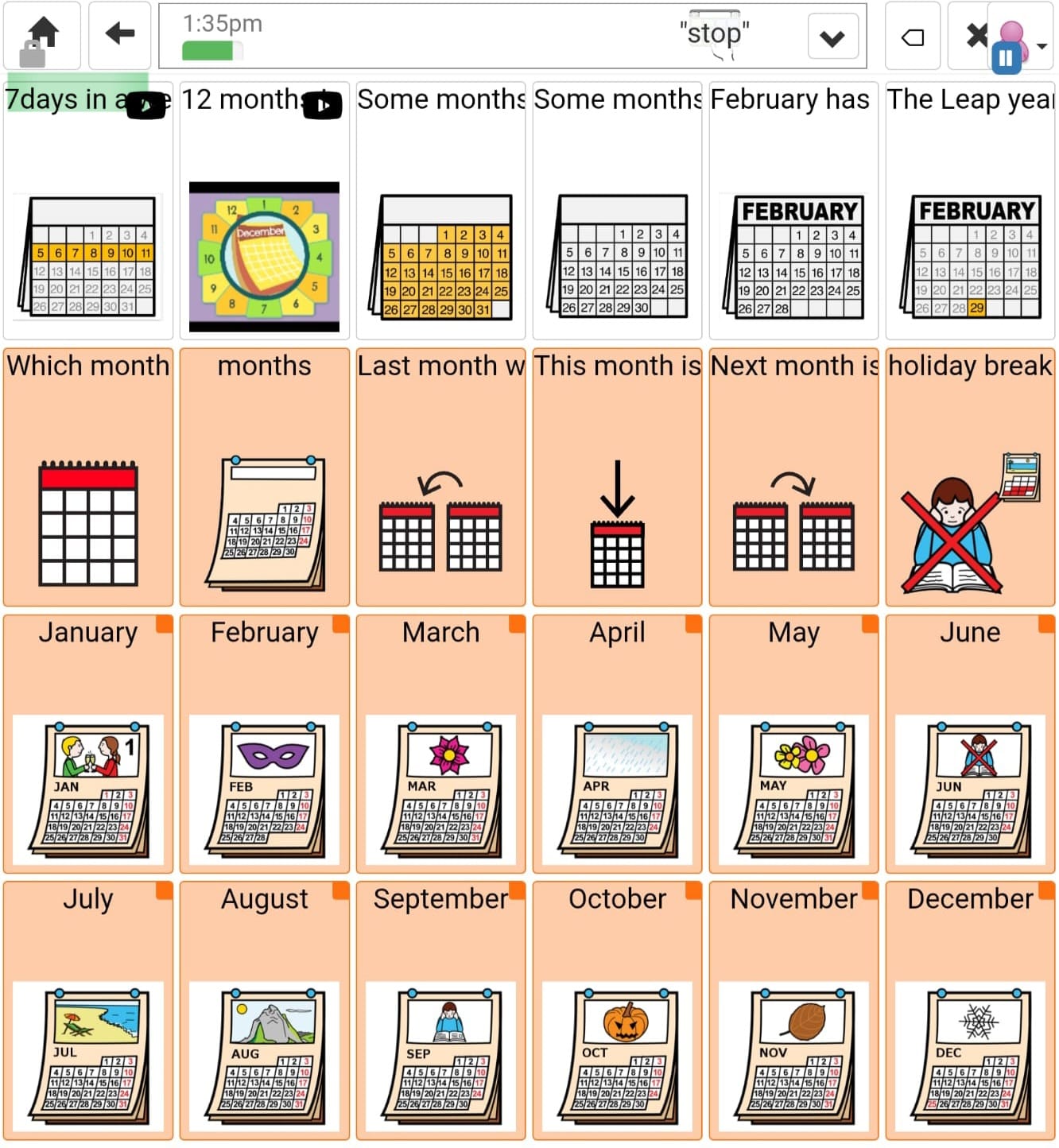
That phrase wasn’t random.
It was precise.
It was intentional.
It was a repair.
What struck me most was not just what he communicated, but how. He remembered a modelled phrase from years ago. He chose it. He used it to bridge a communication breakdown when gestures and guesses had failed.
Reflections
These moments don’t happen every day. Some days' communication breaks down. Some days, emotions run high. Some days we don’t find our way back to each other so gently.
But when it does come together like this, it reminds me of something essential:
Communication competence is not built through performance.
It grows through exposure, respect, time, and trust.
It is a long-term memory bank of possibilities.
Sometimes it takes years for a seed to surface—and when it does, it blooms exactly when it’s needed.
A quiet assurance that when the time comes, there will be a way.
Continue reading Listening Beyond Words: Honoring Multimodal Communication.
If communication isn’t about performance, what does it truly look like? In this next piece, I share a quiet Christmas tree moment that reminded me to pause, observe, and listen to the language Arthur was already speaking.
https://bambinotherapy.com/articles/listening-beyond-words-honoring-multimodal-communication/
.png)