
This blog explores the comorbid condition of Obssessive-Compulsive Disorder (OCD) in children with autism and how challenging it is to ascertain whether the repetitive behaviors of an autistic person is an OCD or a self soothing behaviour. This is based on my experiences, as mother of a 15 year old who is on the autism spectrum, as I have witnessed my son’s struggle and deep trauma due to the coexistence of OCD and autism.
Over the years, many studies have been conducted which indicate that 17 % of autistic population do have some form of OCD. But all repetitive behaviors are not necessarily OCDs
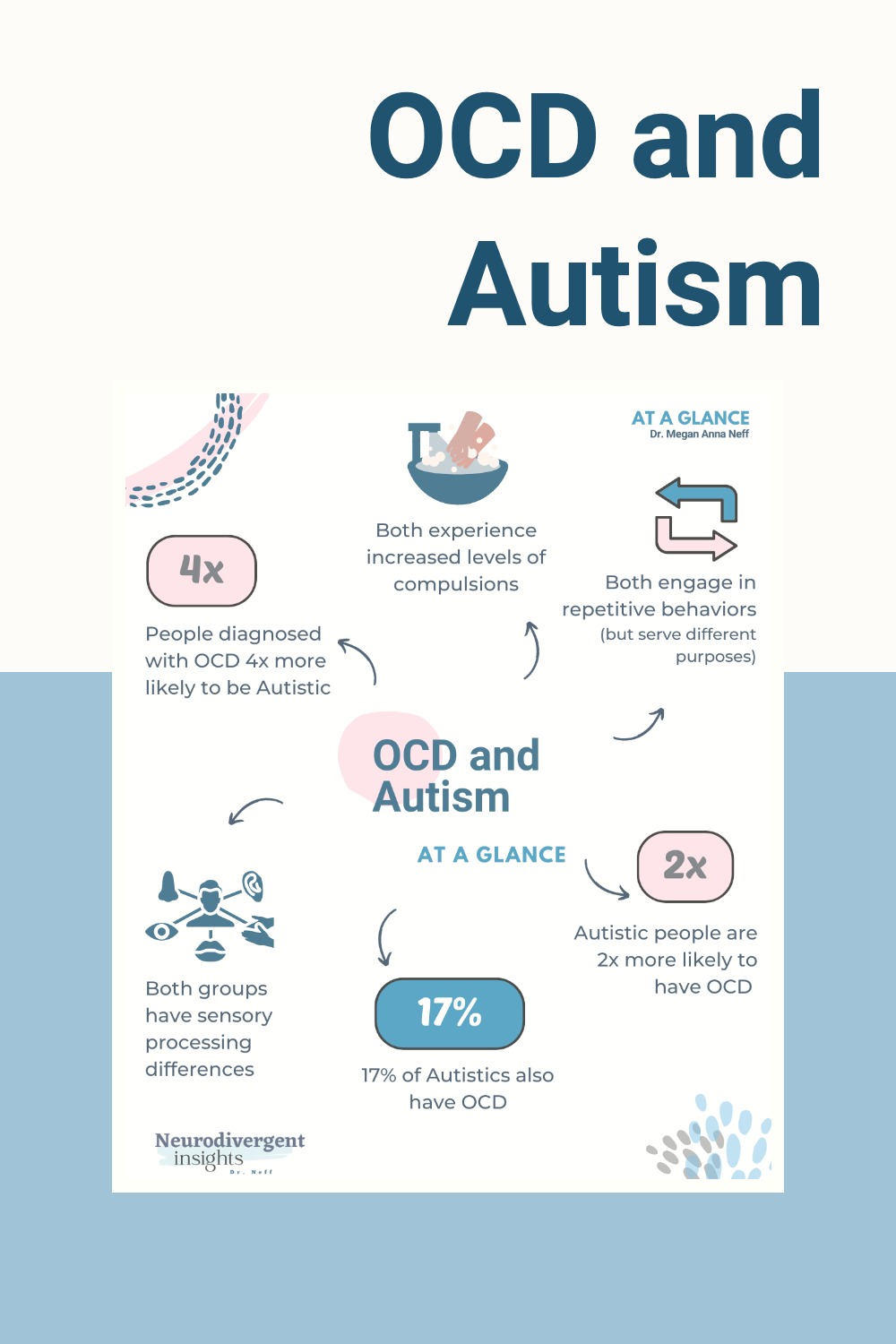
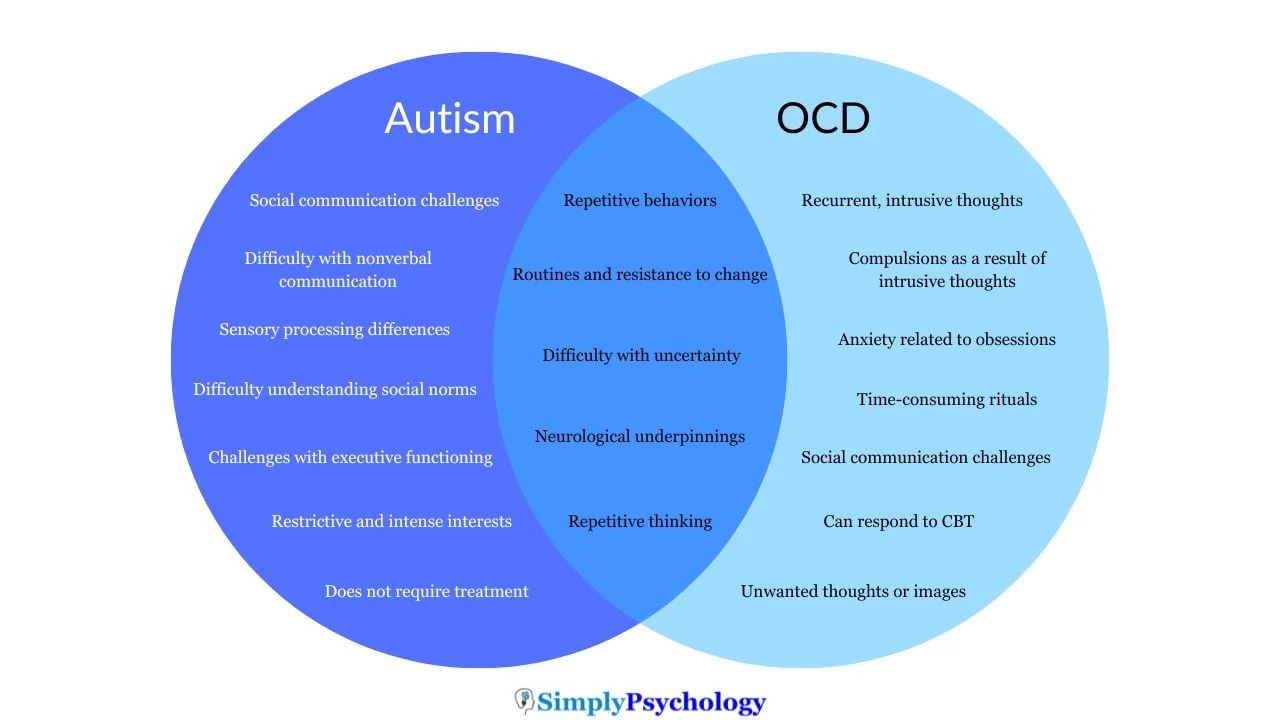
OCD is a mental health condition that causes a pattern of unwanted thoughts and fear resulting in repetitive behaviors.
Autism is a developmental disorder with persistent challenges in social communication, restricted interest and repetitive behaviors.
What OCD looks like in an autistic person?
Obsessions and compulsions are common in most of us. We may check the lock of doors of the car / home several times, worry about having left the oven or geyser or AC on etc. When such thoughts / actions usurp the person’s normal functionality, they assume the form of a mental health condition warranting medication to help the affected person. An autistic person with OCD may have difficulty in understanding or explaining to others about the fears or thoughts that push them into repetitive behaviors.
Perfectionism, skin picking and hair pulling in an obsessive manner, inflexibility of routines and fixed interests in any particular activity can indicate OCDs if the person displays considerable distress and inability to stop the repetitive behaviour. Seeking help from a medical practitioner may get delayed due to the comorbidity of OCD in an autistic person.
Impact of OCD on the life of the autistic person
l Insomnia – Many people on the autism spectrum have sleep related issues and OCDs make it even more difficult for them to fall asleep.
l Anxiety triggering situations can exacerbate their OCD.
l Repetitive behaviors or speech (self talk) - this is basically a form of self-soothing activity. But when it gets to the level of an OCD, it becomes difficult to distract the person as the unfounded fears they experience make it harder to stop the repetitive behaviors.
l Daily life may get disrupted due to executive dysfunction - OCDs have a very negative impact on the person’s life as the cause is intrusive & compulsive thoughts. An autistic person with OCD has a double whammy of inability to clearly express as well as the repetitive behaviors, which affect their daily routine enormously.
l The trauma and helplessness experienced by family members - Seeing your autistic kin in distress, with no way of helping them, can be frustrating. Medications do help, but the OCDs take their time to release their grip on the person.
What can be done to help an autistic person with OCD?
- Consult a psychiatrist to help the person with the right medication to calm them.
- Be empathetic towards the person with OCD. Remember they have no control over their behaviour and they need a lot of love and understanding from the family at this stage.
- Never try to stop the repetitive behaviour of an autistic person going through OCD(unless, it’s life threatening or causes harm to someone) as it can be distressing and only aggravates the situation.
- Autistics, especially non-verbal / minimally speaking autistic person, may have a low insight, which in turn hinders the diagnosis of OCD. Hence, the doctor / primary caregiver needs to be patient and spend more time to properly assess the condition before initiating medication.
We can hope that the medications help the person feel better and slowly restore their executive functioning. OCD's are a way of coping and may have deep-rooted trauma that triggers them, something that is not easily discernible in autistic people. Parents shouldn’t hesitate to reach out to a psychiatrist for help. OCDs in an autistic person tends to affect the mental health of the entire family, the sooner they are addressed the better. Please do not stigmatise OCD because it’s a mental health issue, reach out to the doctor and seek help at the earliest.

.png)