
I started online therapy for my son (who is autistic and minimally speaking) in 2020, the year when the Pandemic struck and all of us were locked up in our houses. Just like everyone else, I too, started with doubts and apprehensions. The initial months were confusing to say the least, as my son would run away from the room on seeing a stranger on the screen. The other challenge was getting the genuine therapists, who knew how to help online. The online therapies for neurodivergent children was a very uncommon thing at that time. I struggled just like many others, out of desperation to keep the ball rolling, in uncertain times of lockdown.
Over the time, I found a good speech therapist online who helped me find a special educator and also an occupational therapist. All of them lived in different cities than where we lived. I was eager to learn and help my son. My child was also getting social interaction through the school. I created a system where my child's progress was holistic.
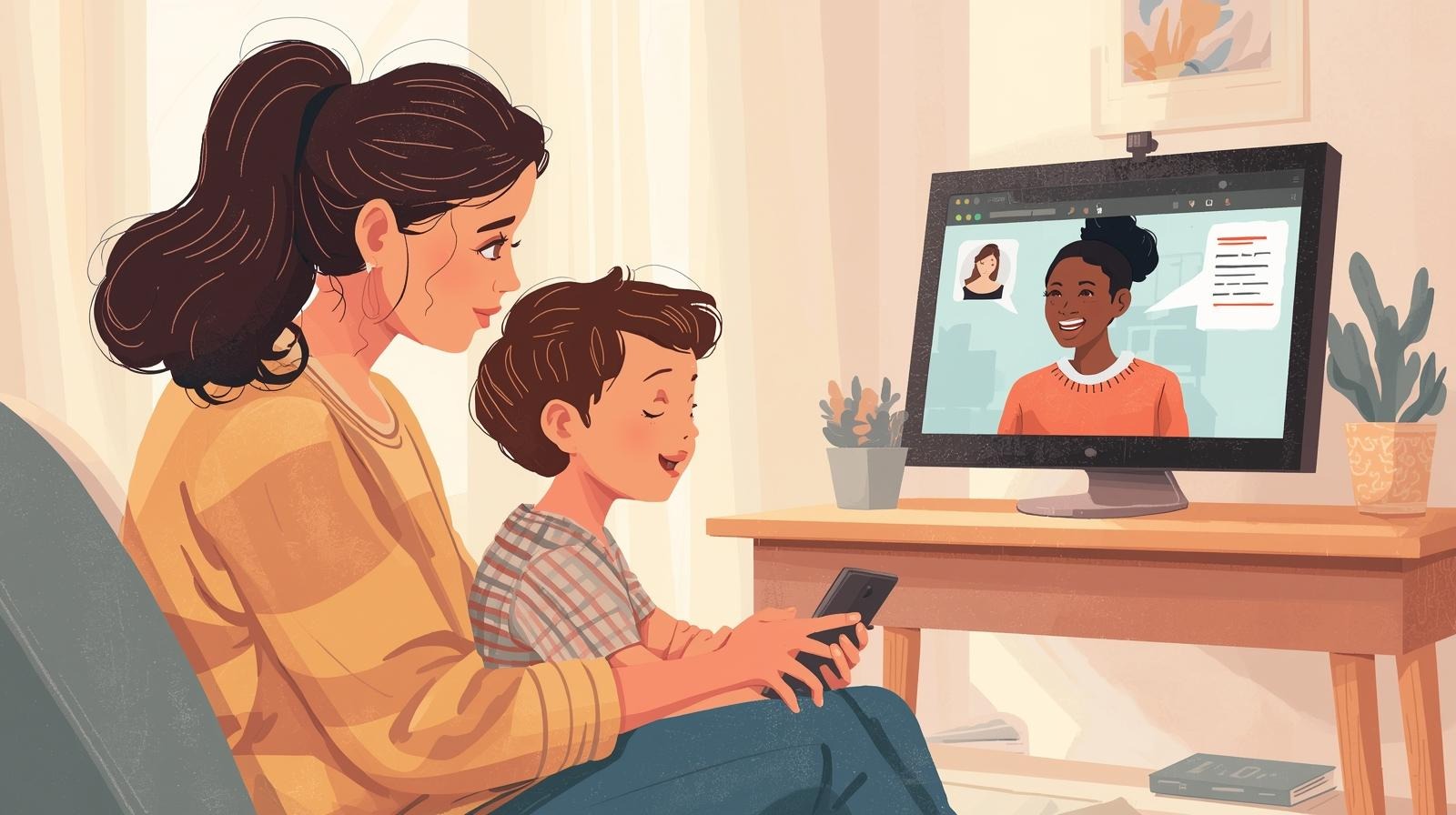
I communicated his needs properly to each therapist, this helped them chalk out strategies that worked out for him.
What are the pros and cons of taking online therapy?
Pros
- People who live in the remote areas or even smaller cities can access the best therapists.
- As the choice is more, Parents can take an informed decision about a neurodiverse affirming therapist or a traditional therapy.
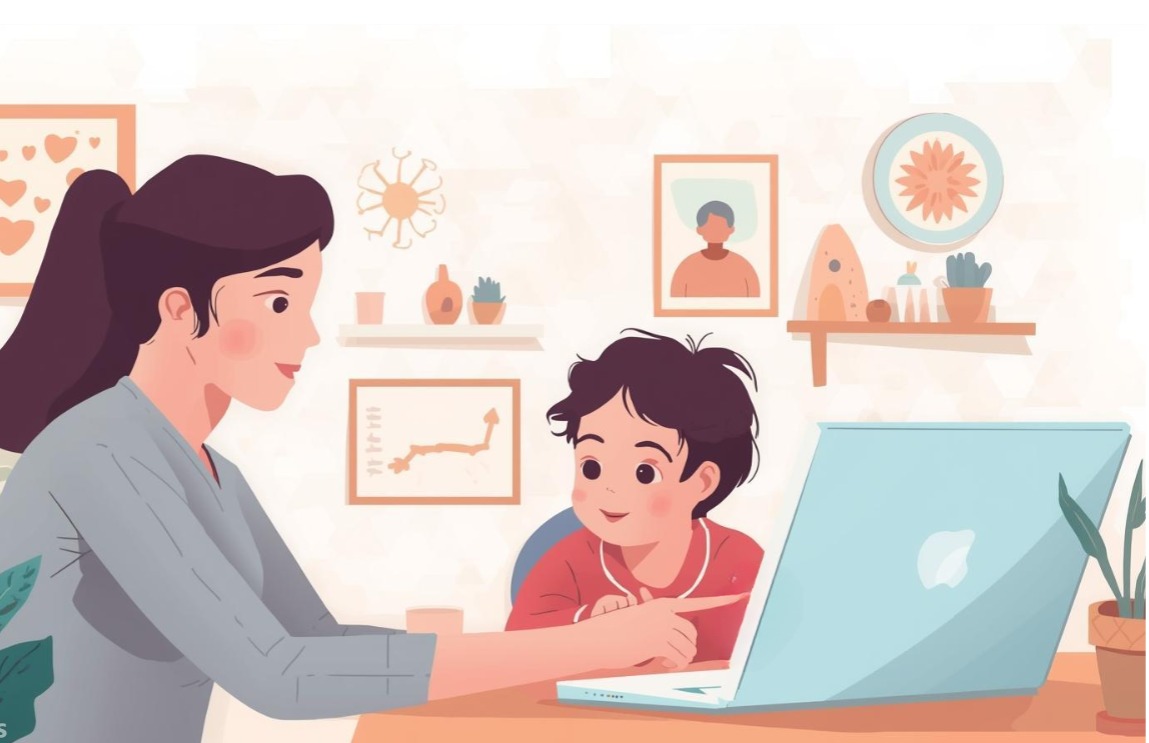
- Online therapies help parents get hands on training
- Attending therapy from the comforts of your house with flexible scheduling
- Self paced learning techniques, wherein the progress made by the child can be constantly monitored by the therapist and the parent.
- The parent is empowered with the knowledge
Cons
- At home, there has to be a structured room space for attending the therapy sessions, free from all the chaos of household.
- Therapy time should be demarcated with minimum distractions for the child in and around the therapy space.
- A non verbal or minimally speaking child could have a lot of difficulty interacting with the therapist directly requiring constant mediation by a parent or a caregiver.
- Frequent change of online therapist(s) could make it difficult for the child to comprehend the situation.
Word of caution
- Frequently changing the therapist can dysregulate the child, so always do a lot of enquiries (word of mouth or recommendations from a valid source helps) about any therapist before you start off with online sessions. Make sure to ask around for reviews and other people’s experiences with a therapist before commencing sessions.
- At the same time, do not hesitate to explore new therapists. Keep checking for redundancy in therapy or if you feel it won’t work out for your child.
- Create a rapport with the therapist as it can be difficult to get your child to engage with them initially and accept their way of working
- Be aware of the techniques and methods used by the therapist, as it would help to practice at home with your child.
- Make sure to take down notes of the therapists recommendations for aspects to be worked on. This will help you be consistent with the methods used.
- You, as the parent, must be willing to work as a co-therapist. The onus of helping the child is not just on the therapist, but also on you.
These are important aspects that you need to take into consideration to get into online therapy. Expecting online therapy to work without trying to put in any effort on the ground, would be like expecting miracles. Any good therapist can guide, motivate and inspire, but ultimately, it is the parent and the environment that will propel the child’s progress.
Thinking along these lines has made online therapy a productive and possible option for my son. I have personally benefited a lot out of the online therapies in ways I never thought were possible. After all, it is unconventional. I have learnt so much about neurodivergence and acceptance, met many wonderful therapists and I owe it all to the leap of faith I took to begin online therapy for my son.

.png)