

Parenting is an enriching experience that we learn hands on. No handbook can prepare us for the challenges that come with it. Every parent wants what is best for their child. The method they adopt in achieving this becomes their parenting style. This is largely influenced by the person’s own parents and the environment in which with they grew up. When we start facing challenges in our parenting journey, we start reviewing the process. Sadly, we tend to start with behaviour modification on the child. But, I strongly believe that we need to look into our parenting process and find reasons for the challenging behaviours.
According to psychologists, there are four main categories of parenting. Knowing one’s own parenting style and trying to improve it, in order to bring the best in the children, is very important.

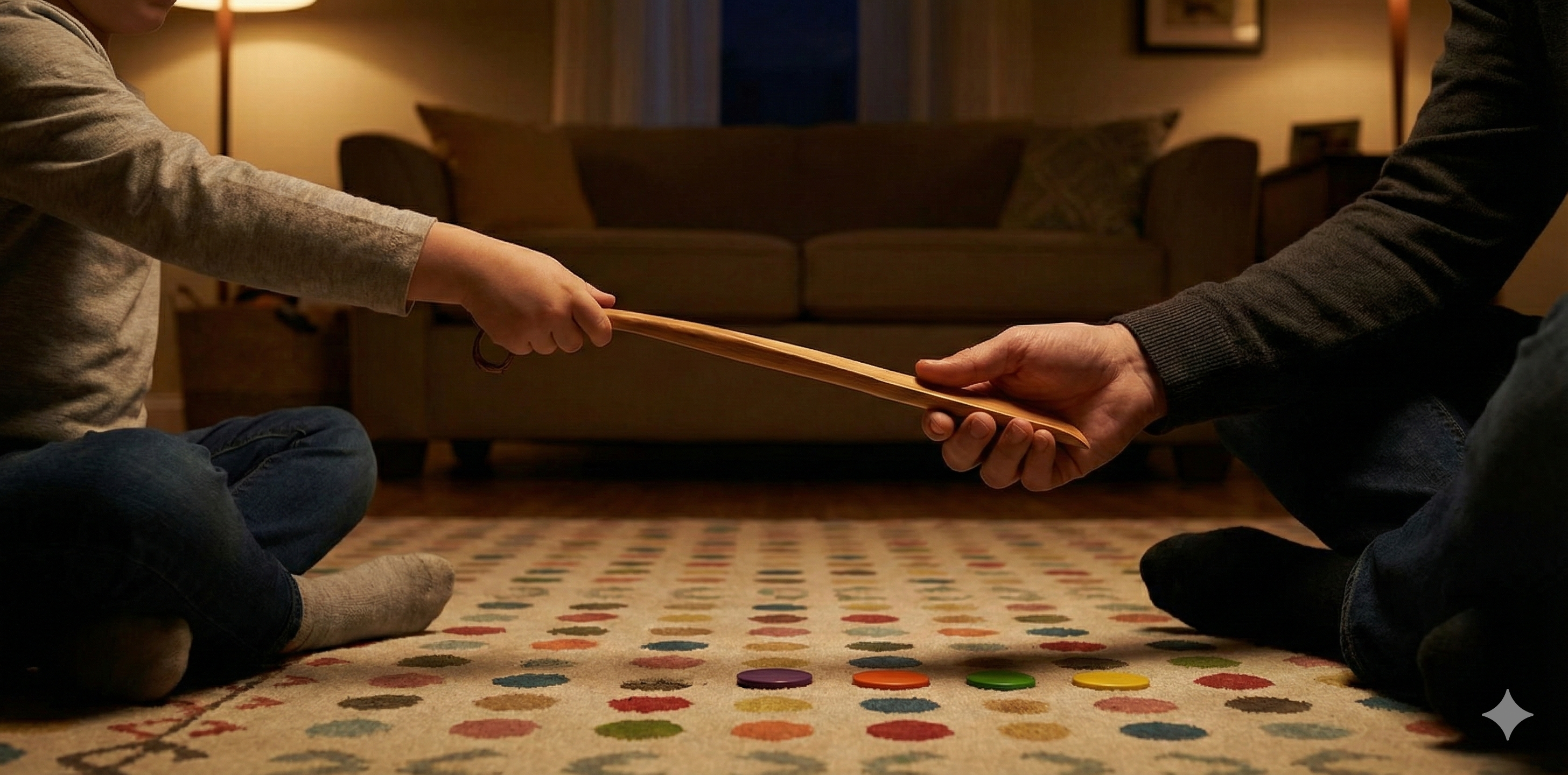
An Authoritarian Parent is strict, enforces punishments and is unresponsive. The children in this kind of parenting may look well-behaved on the exterior, but over the years can become a rebel. There could be anger, frustration and they also likely to have low self-esteem.
A Permissive Parent is very lenient, has low demands and is more of a friend. Possibly, the children could end up with unhealthy eating habits. Due to limited restrictions, the children may become selfish, impulsive and struggle with self-regulation.
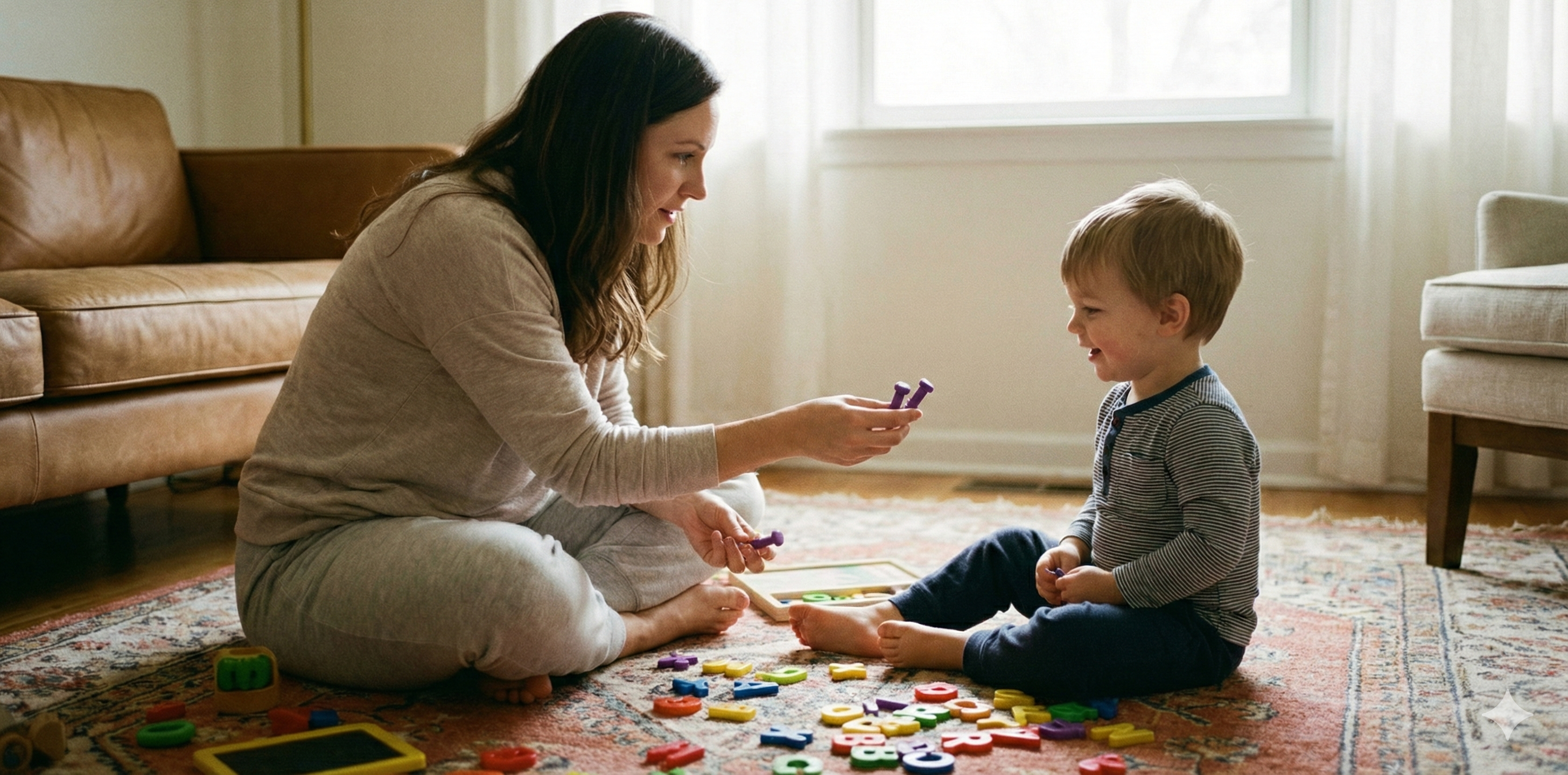
An Authoritative Parent: While this may sound similar to an Authoritarian parent, in this kind of parenting, typically the parent guides, supports and corrects the child when required. The children become more confident, responsible and learn to self-regulate.
A Neglectful Parent is absent and mostly not available to provide support or guide the child. Bond between the parent and the child may be weak. The children here, do develop resilience and self-sufficiency which happens out of necessity. They may struggle with emotional regulation and have maladjustive coping strategies. They may face academic challenges and likely to have difficulty in maintaining social relationship.
Personally, I believe that we need to adopt different styles of parenting at different times. In the initial years of my parenting journey, I was very rigid with my daughter. I always wanted to have everything in my control. But many years after the birth of my son, who is neurodivergent, I realized that being in control is an illusion. The challenges that came with handling a neurotypical child and a neurodivergent child together, made me realize that I had to let go of the obsessive need to make things work my way. I dwindled from a strict authoritarian parent to a permissive parent for a long time. After years of struggle, I am still learning to be an authoritative parent. Now, I tend to take a step back after guiding my children and try not to impose my decisions. I let them make their mistakes and learn. In doing this, I had to unlearn all the old patterns and relearn.
Parenting is an ongoing process and most of the time, it's dynamic. Review and introspection of the parenting style is imperative, in the best interests of the children.
.png)