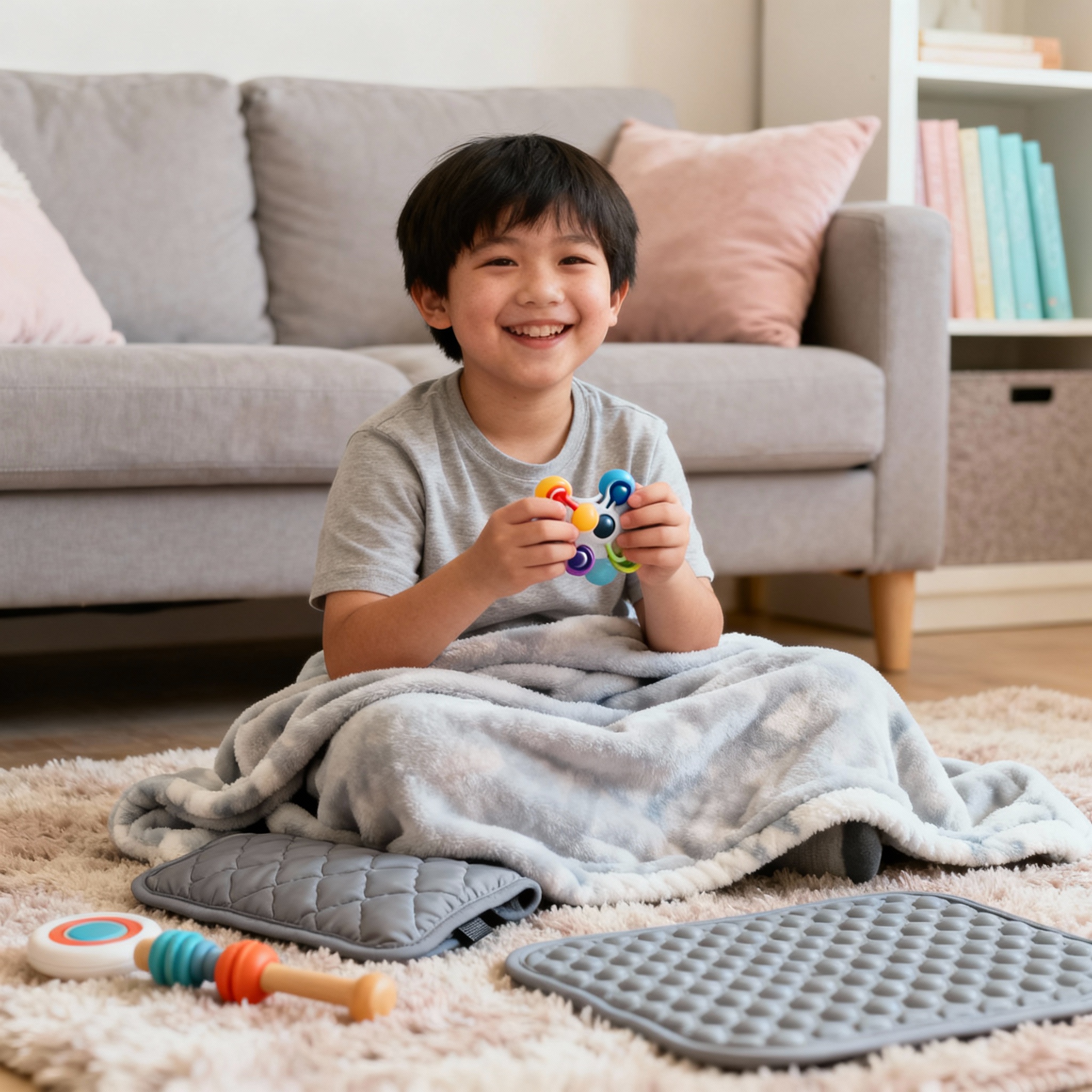

Sensory challenges occur when individuals have difficulty processing the sensory stimuli from their environment. For an autistic individual, the stimuli can be overstimulating or understimulating, depending on their sensory profile.
Autistic individuals with hypersensitivity to sounds, lights, or smells can find a visit to a mall overwhelming because of the noise, the bright lights as well as the smells wafting in the air.
Autistic person with hyposensitivity to sensory stimuli can be seen jumping around all the time, spinning self, toys, touching different textures etc. to pacify their sensory needs. Understanding these sensory challenges with empathy can help caregivers provide accommodations to help the autistic person.
I am a late diagnosed autistic adult. My experiences with sensory challenges had started long back when I had no awareness of it. Suppression of my sensory differences made me an angry person and by the time I reached my 30s, I had started having anxiety and burnouts on a daily basis.
When my son, who is also on the spectrum, started attending therapies, I was told he needs sensory integration therapy. He was always on the move, never able to sit in a place. All that the therapists told me was he needs to learn to sit down, only then will he make progress. I had to educate myself about the sensory integration and how to help my son. Due to these sensory challenges and lack of accommodations from the schools, my son was almost written off.
Neurodivergent Affirming therapists we met later on helped me understand movements were my son’s way of regulating his nervous system, that we need to incorporate that into his routine to help him feel calmer. I felt empowered only after educating myself on the sensory profiles and learning the importance of regulating the nervous system.
For a neurodivergent person with high to medium support needs, the sensory challenges makes it difficult to self-regulate without some external help to tackle the sensory overload.
Sensory diets
Sensory diets are scheduled activities that are tailored to suit the sensory needs of the child to help them stay calm and regulated. Providing a regular set of activities ensures that they are in the optimum zone of learning.

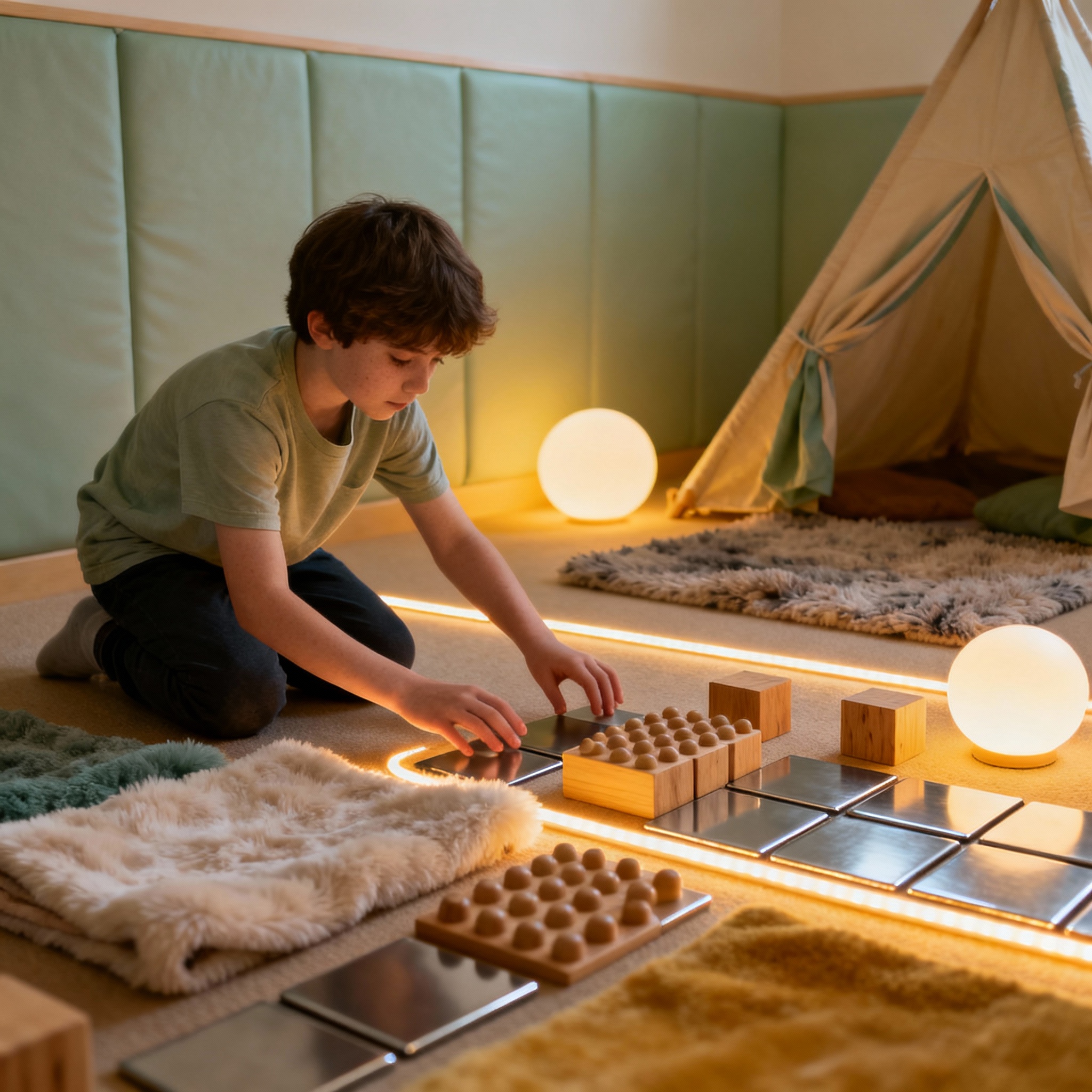
Movement breaks, quiet time, walk in the nature, sensory corners in schools or homes, etc. are very important ways to accommodate the sensory needs of neurodivergent children.
Due to lack of understanding, the children with high sensory challenges are labelled and, at times, written off in classroom setups. Society needs to respect and accept the sensory challenges faced by the autistic individuals and for that, awareness of sensory regulation is needed in educational institutions.
Inclusion in the true sense happens only when we stop trying to fix an autistic person with sensory challenges. We need to understand that these sensory differences cannot be fixed, rather the autistic individuals learn to manage this through their own coping mechanisms They learn to live with their sensory differences.

.png)