
I knew from early on that Arthur was a PDAer (Pathological Demand Avoidance / Pervasive Drive for Autonomy), but I didn’t yet have the language to fully understand what I was seeing.
This story captures how PDA showed up in our everyday life—and how my approach slowly shifted from direct demands to strewing, modeling, and partnership. It shows that Arthur’s so-called “avoidance” was a protective response, rooted in a need to preserve autonomy.
The Early “No”
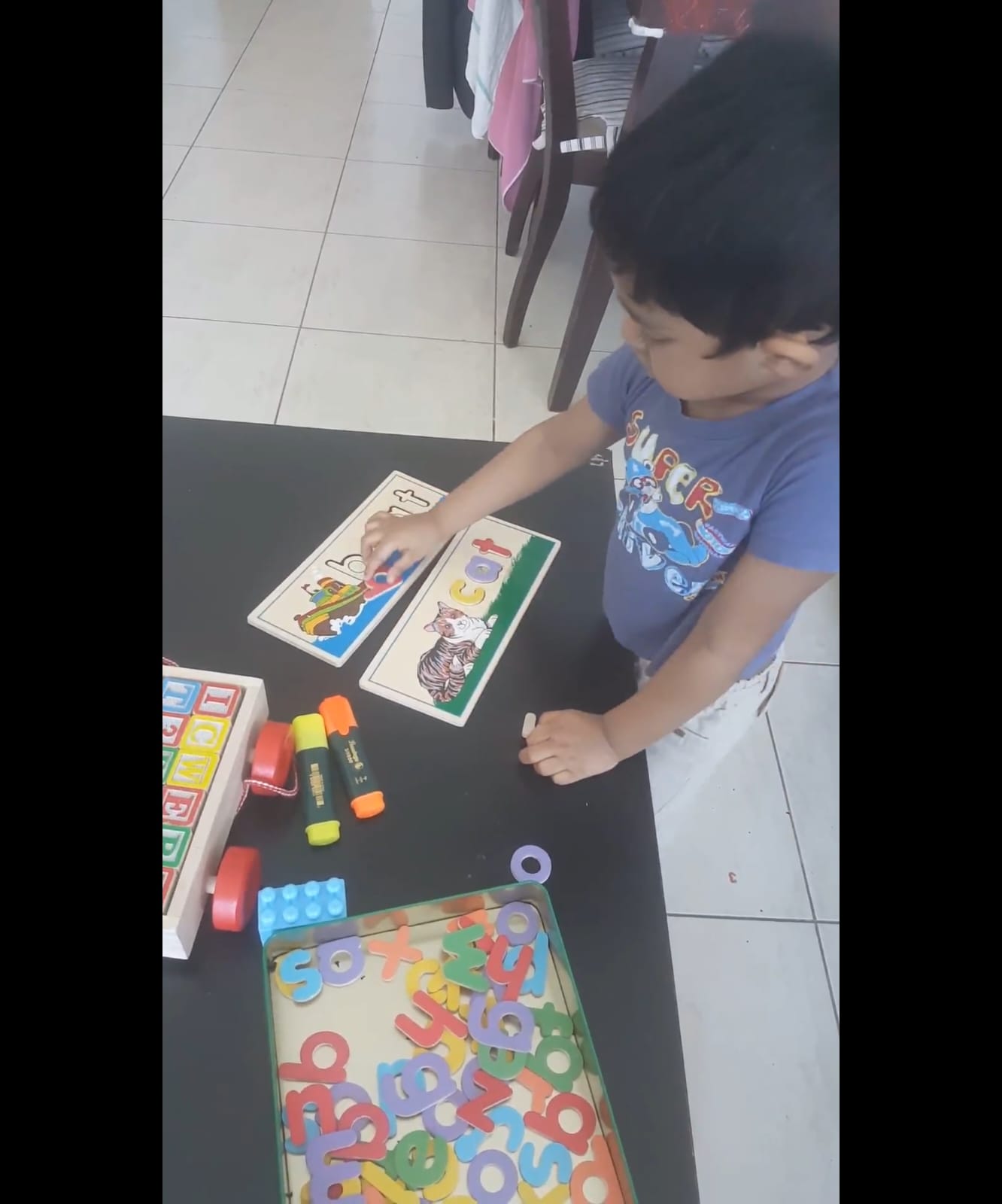
When Arthur was about three, his online nursery teacher asked the children to identify words starting with the letter “D.” I showed Arthur two alphabet boards—one with D and one with B—and asked him to identify words that started with D.
Instead, Arthur flipped the board upside down and began spelling words starting with C and B. At the time, it felt intentional. I remember thinking he was being “difficult,” or simply unwilling to cooperate.
The Urgency of Fear
There was something else sitting underneath that moment—something I recognised later. I had internalised the idea that people are respected only when they are seen as “smart,” that competence protects you from being reduced to sympathy.
Part of my urgency came from fear. If Arthur’s intelligence wasn’t visible, I worried the world would misread him. I wanted proof—evidence strong enough to counter ableism and low expectations.
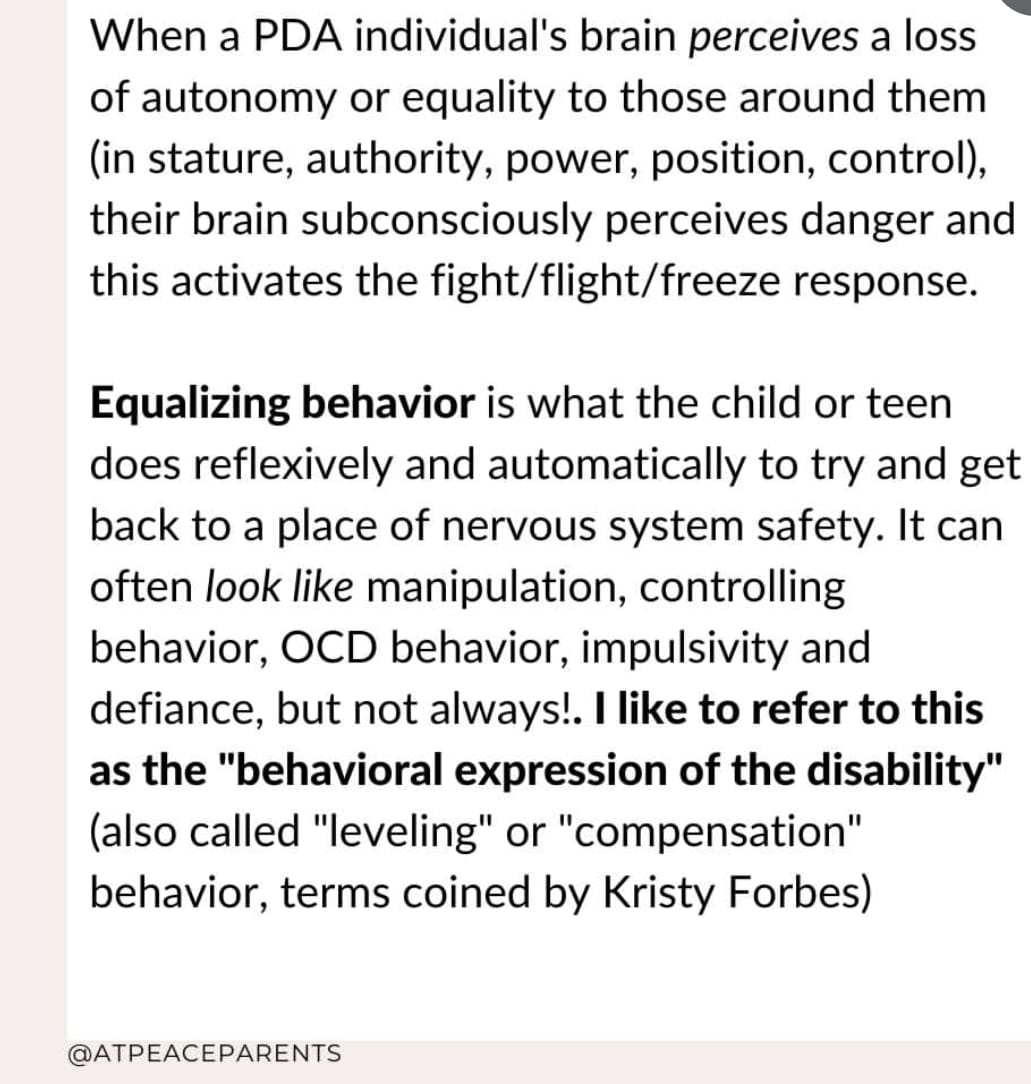
What I didn’t see then was that Arthur didn’t need to perform intelligence to be worthy of respect. A PDA nervous system feels that pressure immediately. Arthur wasn’t resisting learning; he was resisting being measured. He was equalizing — pivoting the task to reclaim control.
The Shift: From Demand to Invitation
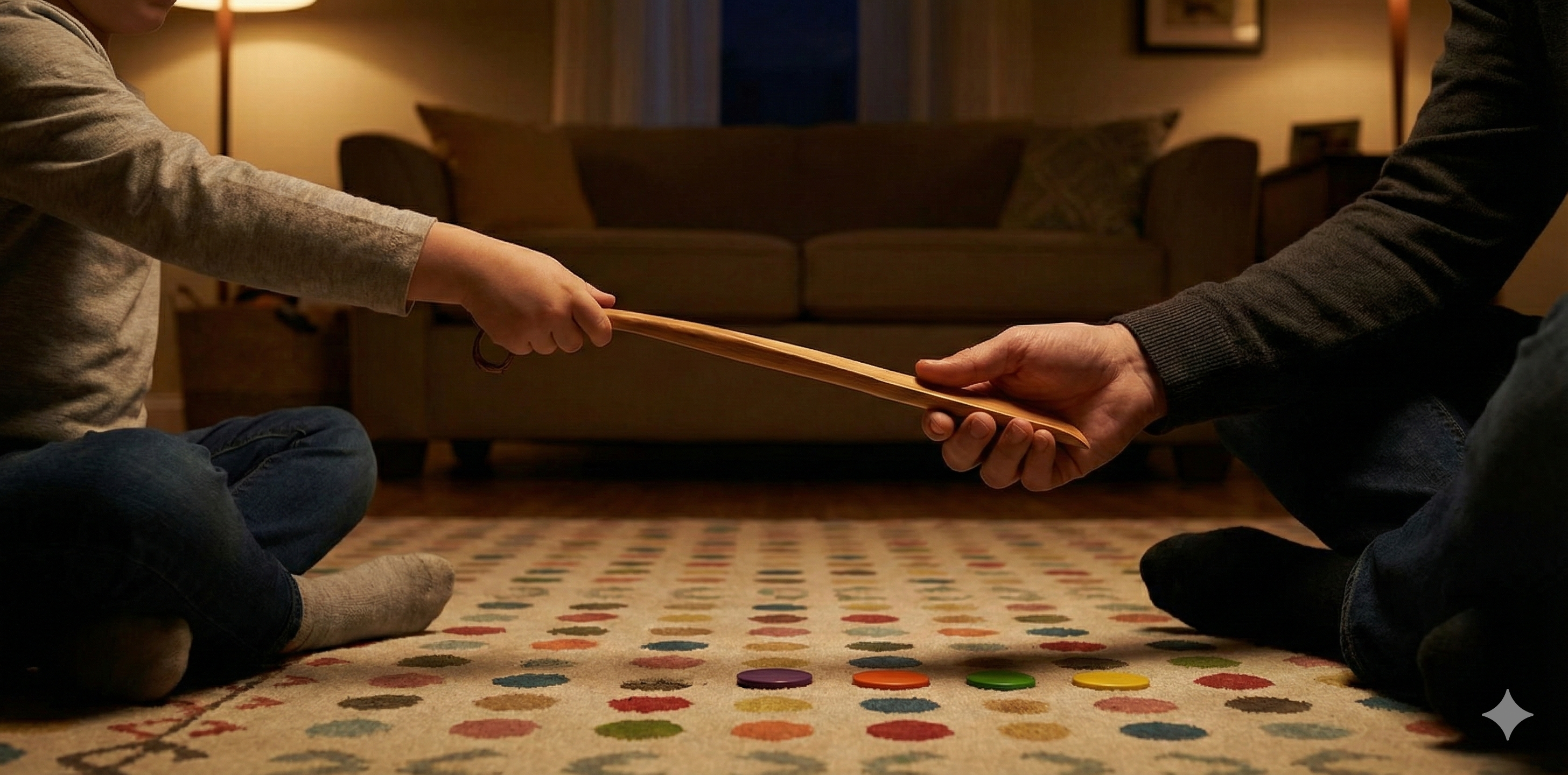
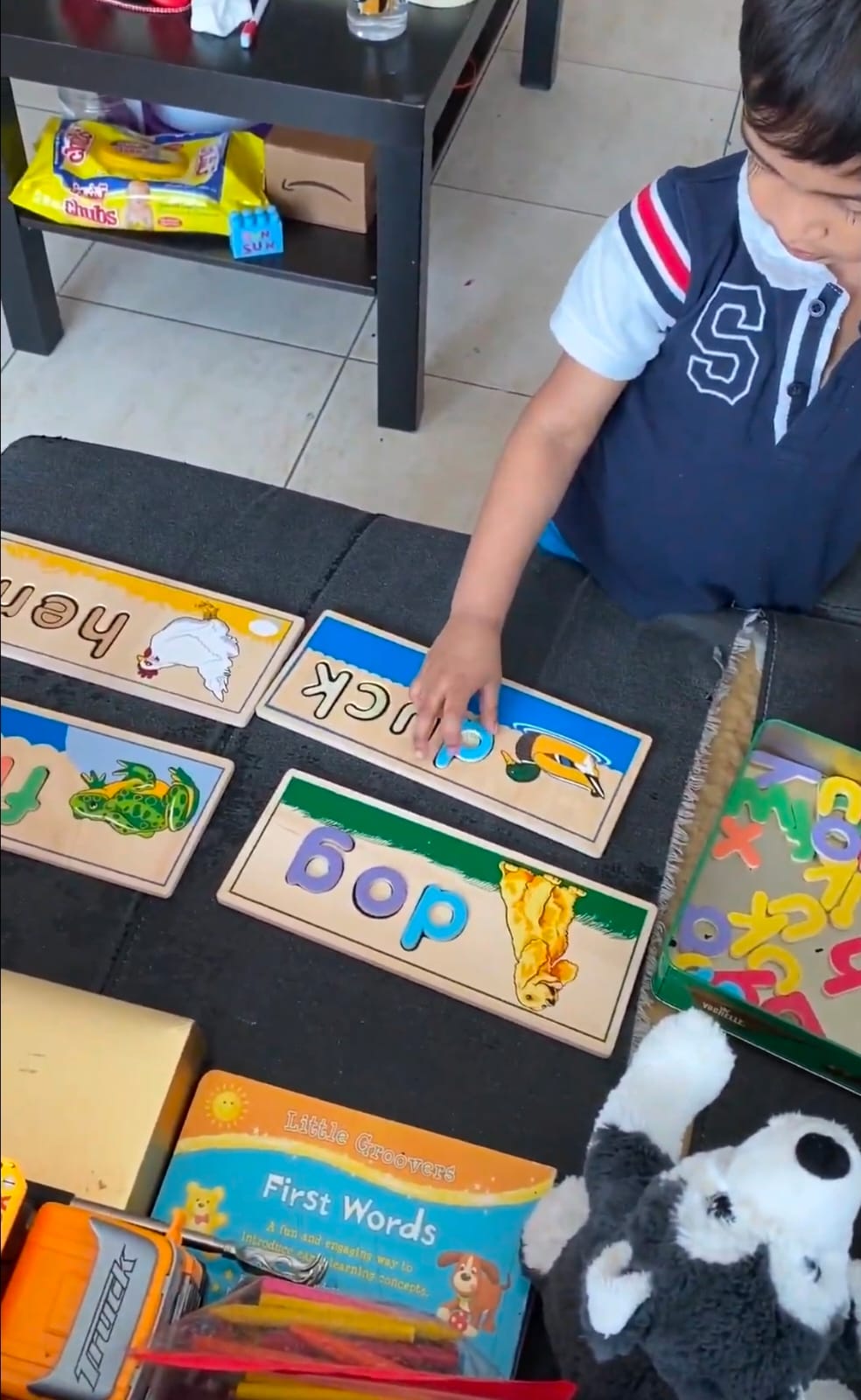
Later that afternoon, I tried something different. I didn’t ask him to do anything. I wasn’t even expecting his participation. I simply sat down, placed different alphabet boards on the couch, and started spelling the word “FROG” myself.
And without being asked to perform, he chose to engage.
He came over and began spelling words — this time, including words that started with D.
Not because he was prompted.
Not because he was corrected.
But because autonomy was intact.
That was my first lived lesson in Access with Autonomy.
I just strewed the activity.
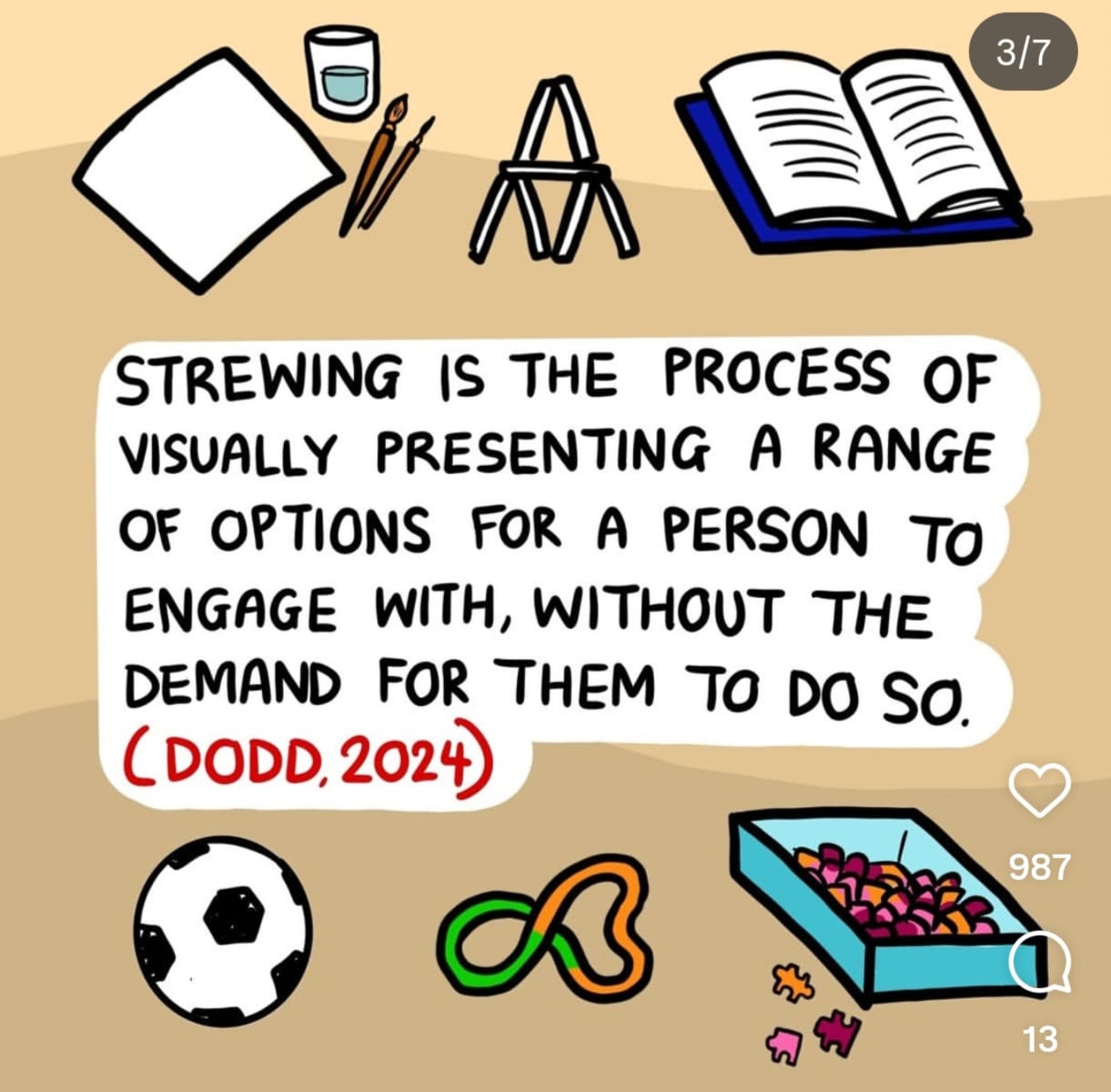
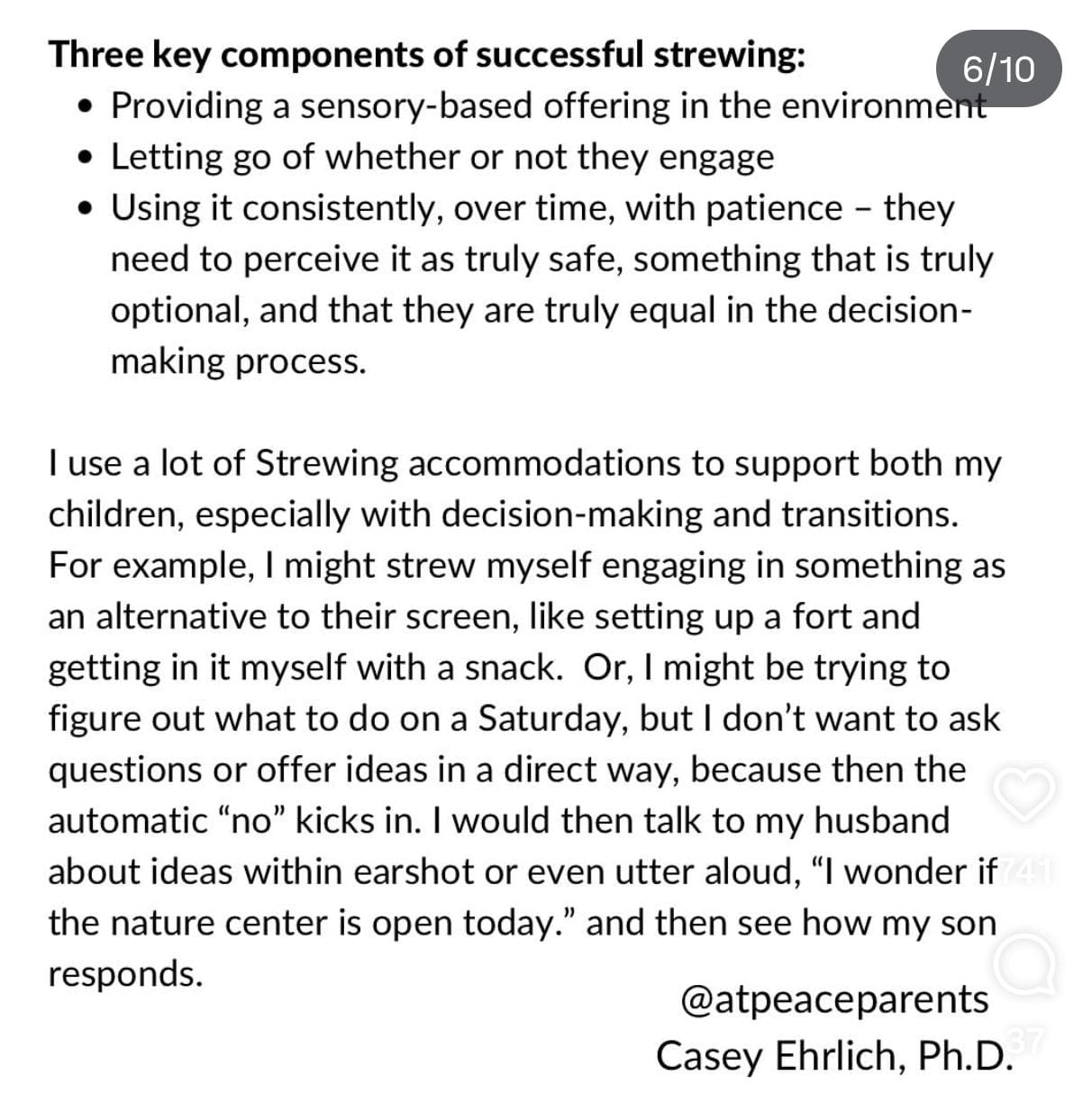
Strewing removes the social pressure of performance. It offers access without expectation. Because there was no requirement to respond, Arthur’s nervous system stayed regulated. Because there was no evaluation, curiosity could surface. What followed wasn’t compliance. It was *engagement*. Skills that had seemed “blocked” bloomed naturally once the demand disappeared.
Now, in 2026, I can look back at that moment with more clarity.
Respect should never be conditional on being perceived as smart. Safety should never be earned through performance. And autonomy should never be the price of dignity.
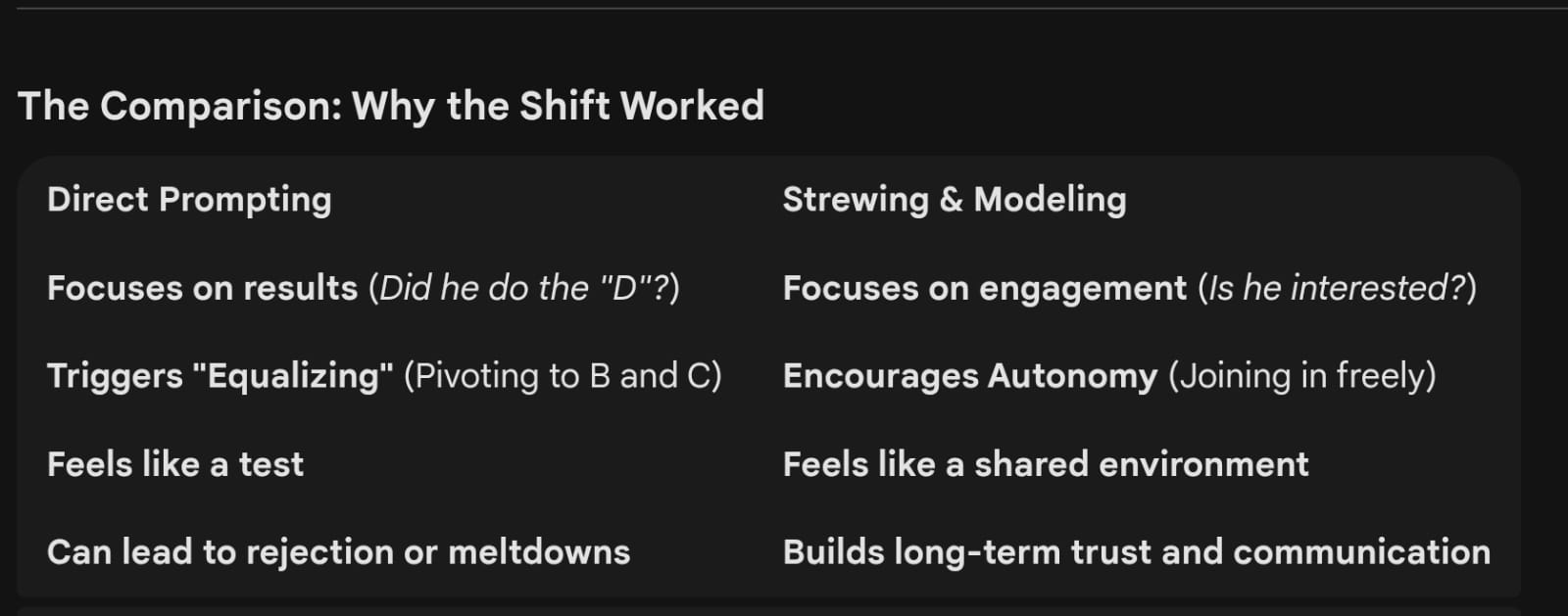
Arthur didn’t need me to help him prove anything. What he needed first wasn’t recognition. It was safety. And when safety came, the skills followed—on his terms.
Are you struggling to find the balance between supporting your child's communication and respecting their autonomy? Book a consultation with Bambino Therapy to explore personalized, low-demand strategies for your family