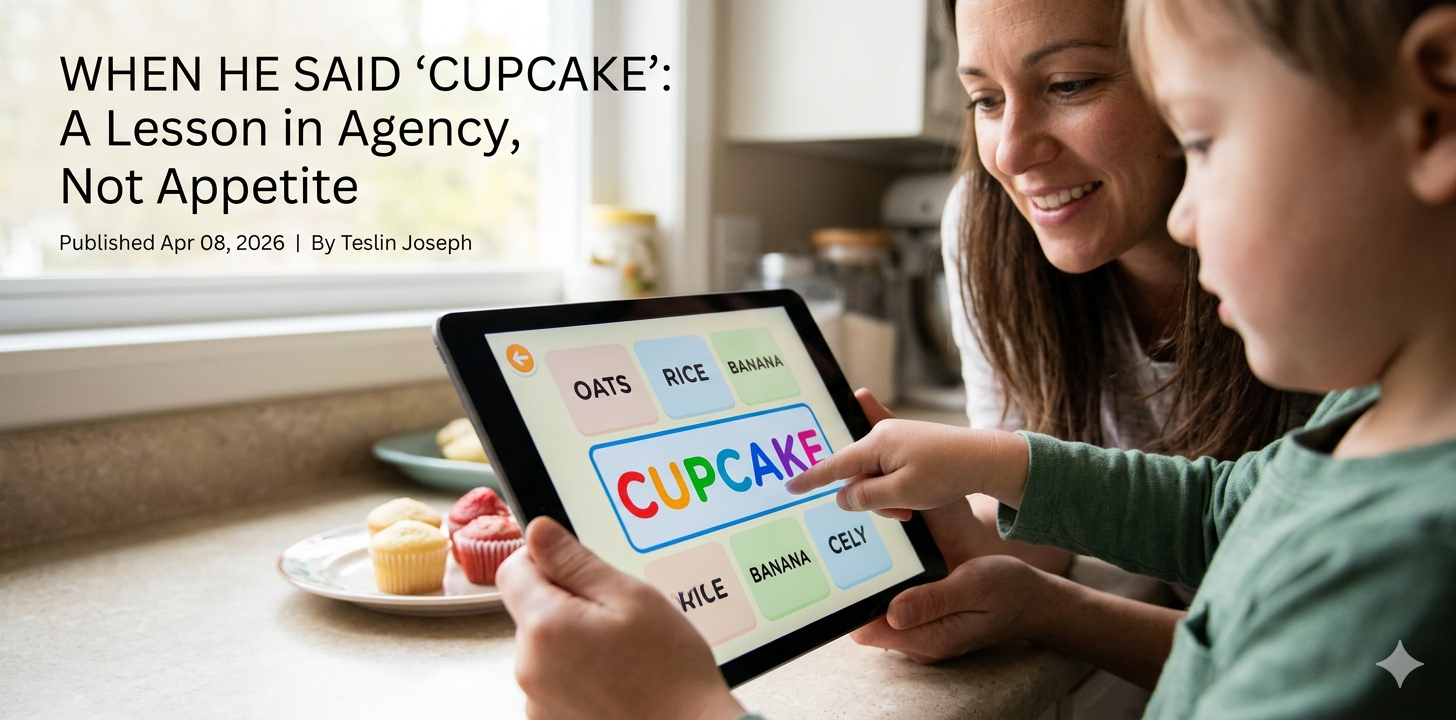

Last year, during a difficult week, my son Arthur wasn’t eating well.
He was refusing foods he usually loved.
And I was watching bowls of oats and plates of food go to waste — unsure whether to push, pause, or pivot.
The first time, his oatmeal wasn’t sweet enough.
So I adjusted it.
He still refused.
Another day, I made fresh oatmeal again. He became increasingly frustrated, refused to eat, and eventually fell asleep crying.
That moment stayed with me.
It had already been more than six months since he had eaten foods like rice, dal (lentils), or chicken curry. His food repertoire had narrowed significantly. As a parent, that does something to your nervous system. You start thinking in calories. In nutrition charts. In “what ifs.”
That night, my husband gently suggested, “Maybe try oats again?”
I hesitated.
Not because it wasn’t reasonable — but because I thought, He doesn’t want it.
Instead of repeating the cycle, I decided to check in with Arthur.
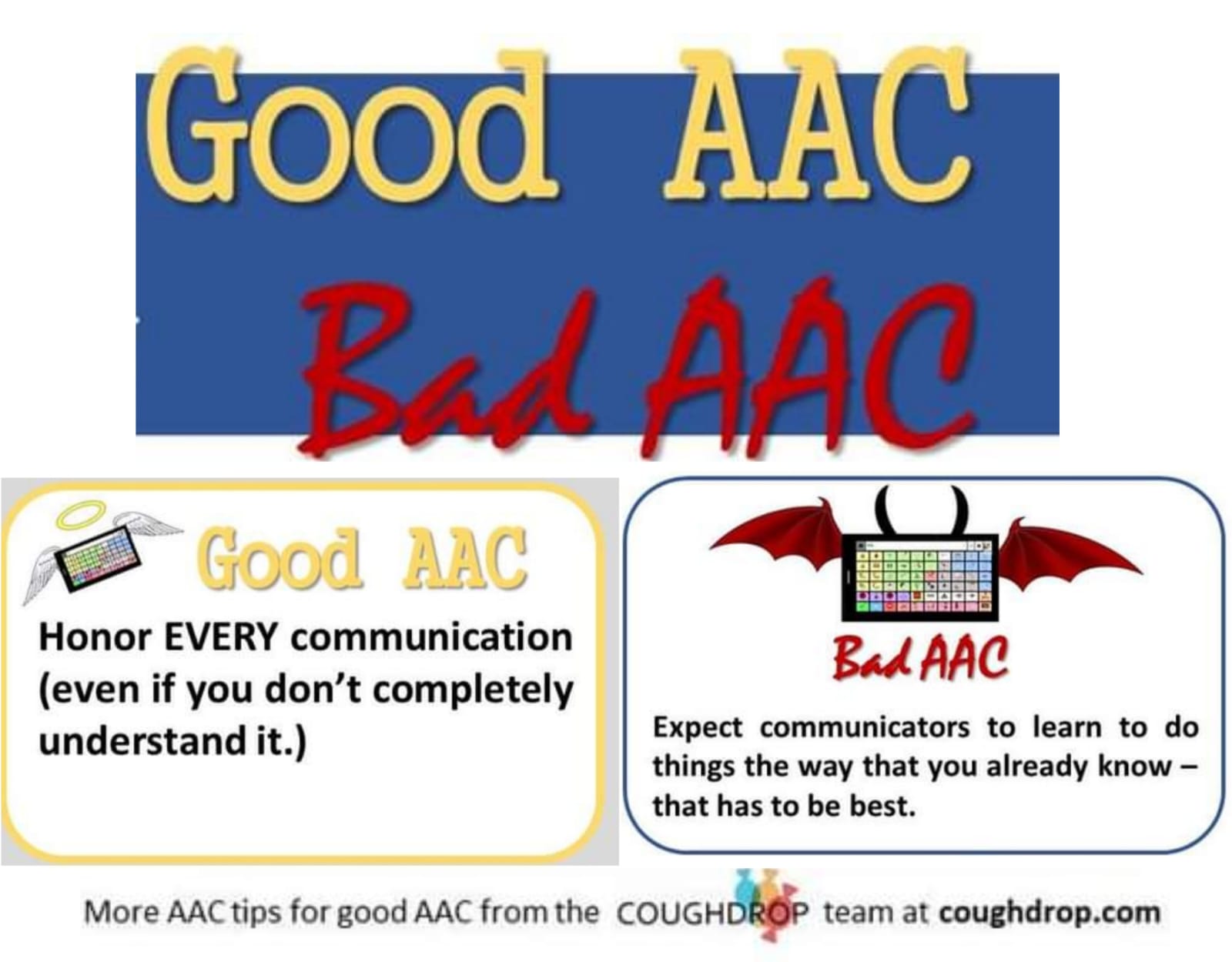
When the “Official” AAC App Isn’t the Answer
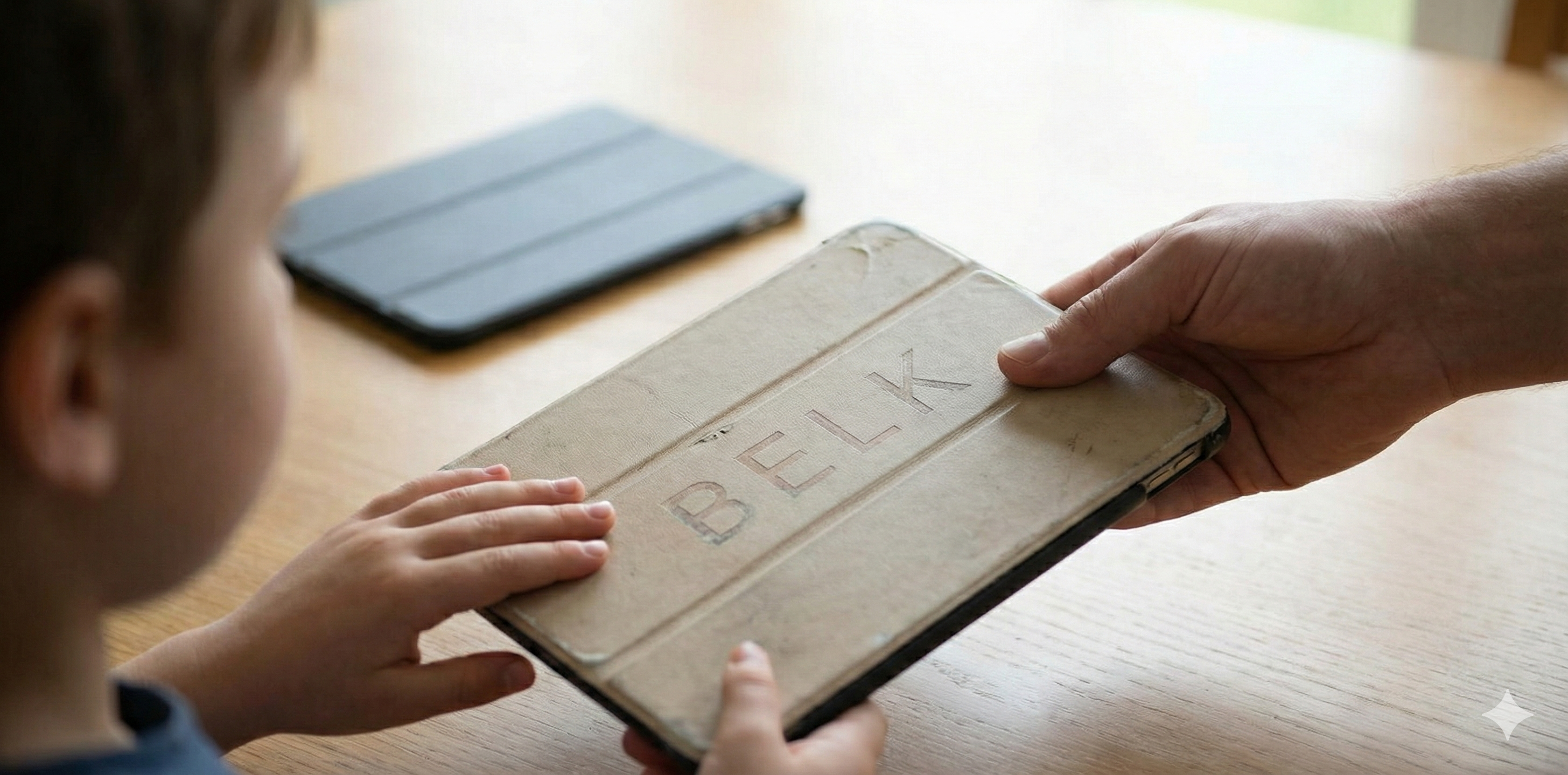
I tried opening his usual AAC app on my phone, but he wasn’t open to it.
He didn’t want me to model.
He didn’t want to navigate the grid.
He didn’t want the interaction.
In the past, I might have interpreted that as resistance.
Now, I interpret it as information.
The device — at that moment — felt like work.
And when a child is dysregulated or unwell, the last thing they need is more cognitive load.
Trying Something Different
That’s when I remembered Word Wizard — a spelling app Arthur enjoys using sometimes.
Not his “official” communication app.
But a space that feels low-pressure and self-directed.
I typed out a few food options he usually likes and showed them to him — without expectation.
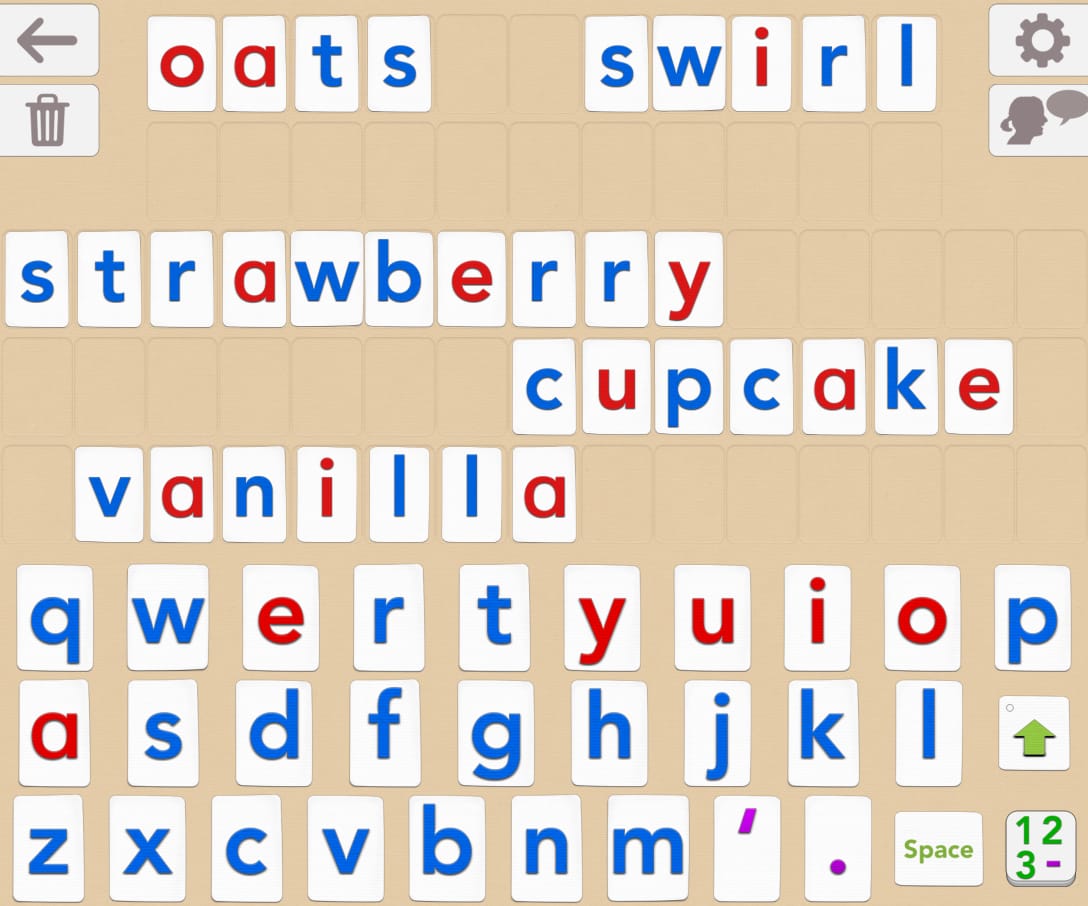
At first, he ignored them all.
But he didn’t delete them.
That mattered.
On other days, he has deleted every option I’ve typed — his clear way of saying “no.”
This time, it was different.
There was a pause — not rejection.
I left the app open and went into the kitchen to prepare oats anyway, unsure what would happen next.
Then I heard: Cupcake.
He touched the option he wanted.
I immediately honored his request and offered both flavors — strawberry and vanilla.
He ate all the strawberry cupcakes first. Then he moved to the vanilla ones.
Ten cupcakes in total.
After days of refusal, my child was eating — because he was heard.

A Note on Offering Choices with Guardrails:
When offering choices, I have learned the importance of including an 'Extra Option'—a 'none of the above' or 'something else' button. While Arthur found his way this time, this guardrail prevents a choice from feeling like a trap and gives a child the agency to say, 'You haven't found what I need yet.'
When Eating Is Harder: Understanding ARFID
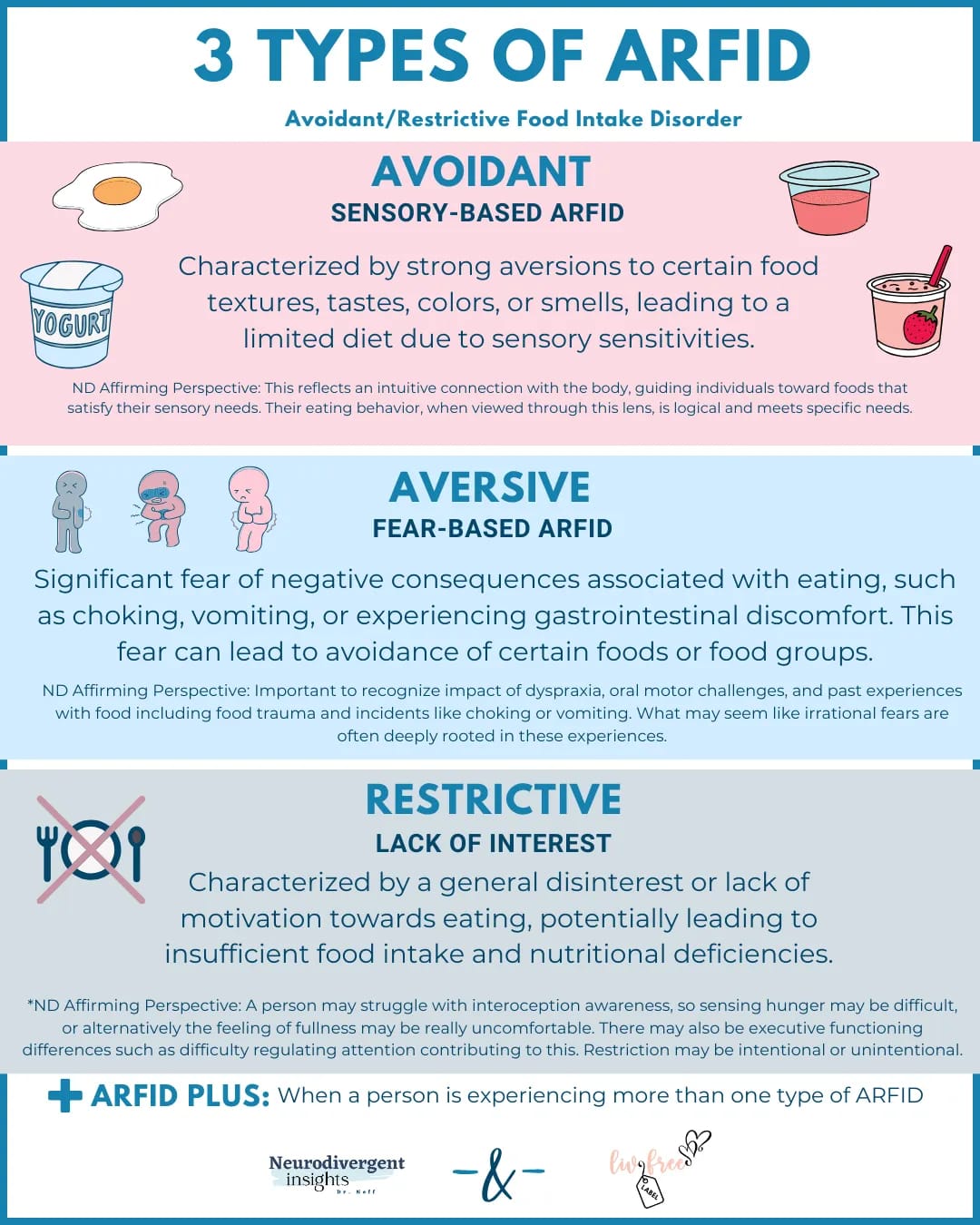
Arthur’s relationship with food is also shaped by Avoidant/Restrictive Food Intake Disorder (ARFID) — something many neurodivergent children experience.
For Arthur, this isn’t just about preference. Eating can become harder when:
• Sensory sensitivities intensify
• Past unpleasant experiences create fear
• Illness disrupts appetite and interoception
• Interest in food drops during dysregulation or fatigue.
The Stakes of Agency: A Reflection
Thinking about this reminds me of a crisis we faced a year ago. Arthur had been very unwell with a stomach bug, and his ARFID made eating extremely difficult. When he hadn’t eaten for over 24 hours, we were faced with two difficult choices:
Option A: Supporting him more directly to eat
Option B: Hospitalization
We chose Option A, but we didn’t abandon agency.
Even in that high-stakes moment, I modelled on the AAC app:
"Your body needs food and water."
Arthur navigated to his fruits folder, but didn’t select anything. Then he went back to the food and drinks folder and chose "Cake."
I wondered if he was reaching for a memory of comfort — the strawberry cupcakes he used to love.
I replied via AAC app on my phone:
"Get well soon, then you can eat cake."
While offering a gentle alternative, he eventually agreed to eat a little oatmeal.
Agency Is the Safety Net
This is why I’m sharing this.
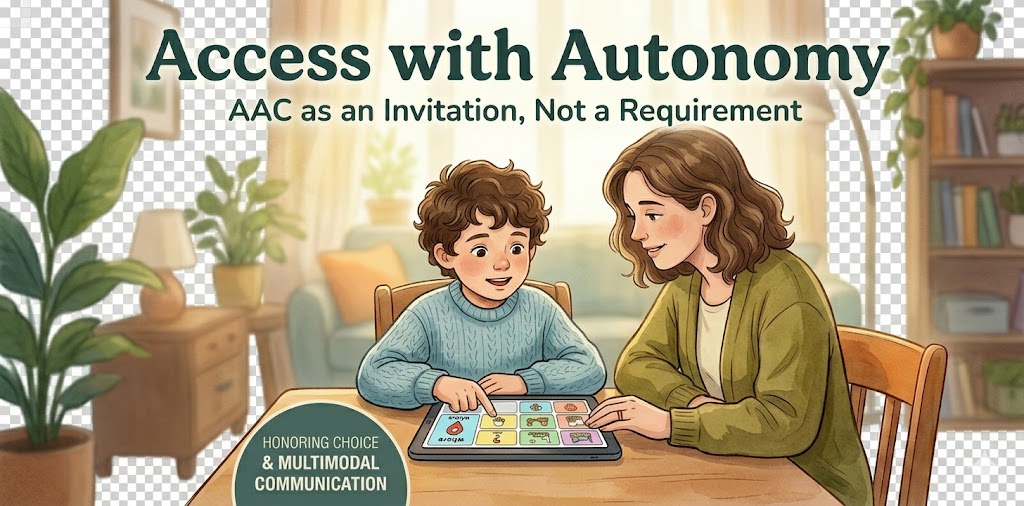
AAC isn’t just about naming things; it’s about connection and trust in real-life moments — even the difficult ones.
When we understand ARFID, we begin to see that for these children, "no" isn’t a power struggle — it’s a boundary.
Using AAC to honor that boundary, even while navigating medical necessity, helps keep the doors of communication open for the long haul.
What This Was Really About
It wasn’t about sugar.
It was about agency.
When we insist children communicate in a specific way, we risk turning communication into compliance.
The goal is not getting him to use a particular device.
The goal is making sure he has access to communication — in whatever form feels safe and possible in that moment.
Sometimes that’s his nuanced gestures.
Sometimes it’s vocal approximations.
Sometimes it’s his AAC apps.
Sometimes it’s a spelling app.
Sometimes it’s YouTube.
Sometimes it’s photos and videos in the phone gallery.
Communication is not confined to one platform.
When we expand what “counts,” our children expand too.
Why This Matters Clinically
From a therapeutic lens, this moment demonstrated:
- Independent initiation
- Clear preference expression
- Self-advocacy
- Regulation supported through agency
But from a parent lens?
It demonstrated trust.
Arthur trusted that if he expressed something unconventional, I would still honor it.
That trust is foundational.
A Reflection for Parents and Professionals
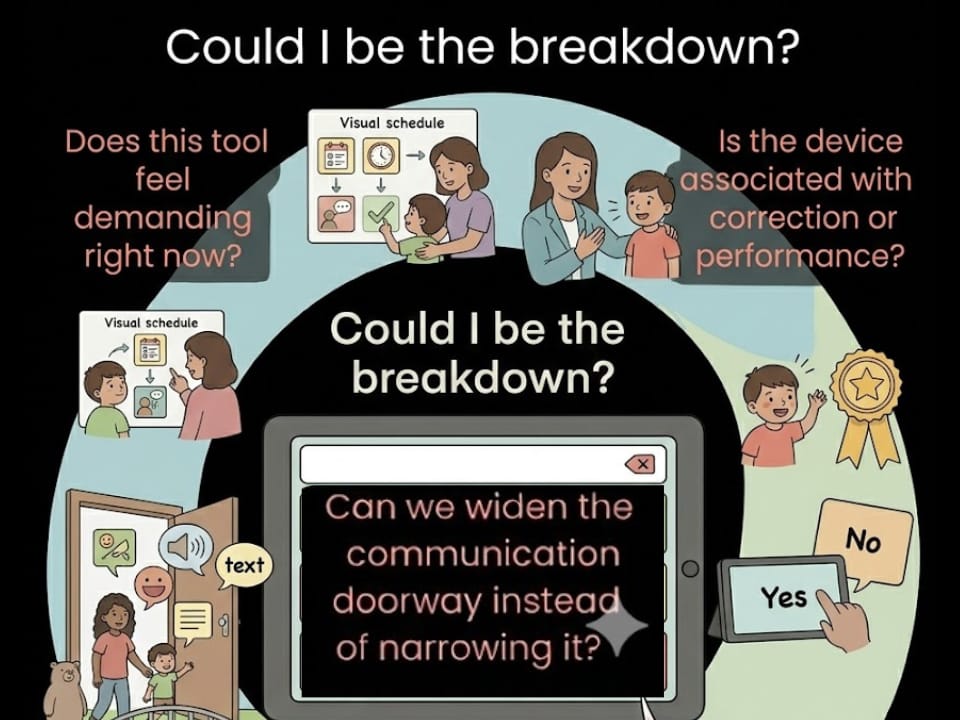
If a child resists their AAC device, we can ask:
- Am I part of the breakdown?
- Does this tool feel demanding right now?
- Is the device associated with correction or performance?
- Can we widen the communication doorway instead of narrowing it?
Communication access is not about perfect use.
It is about meaningful use for the AAC user.
That day, “cupcake” was not junk food.
It was autonomy.
And autonomy feeds far more than the body.
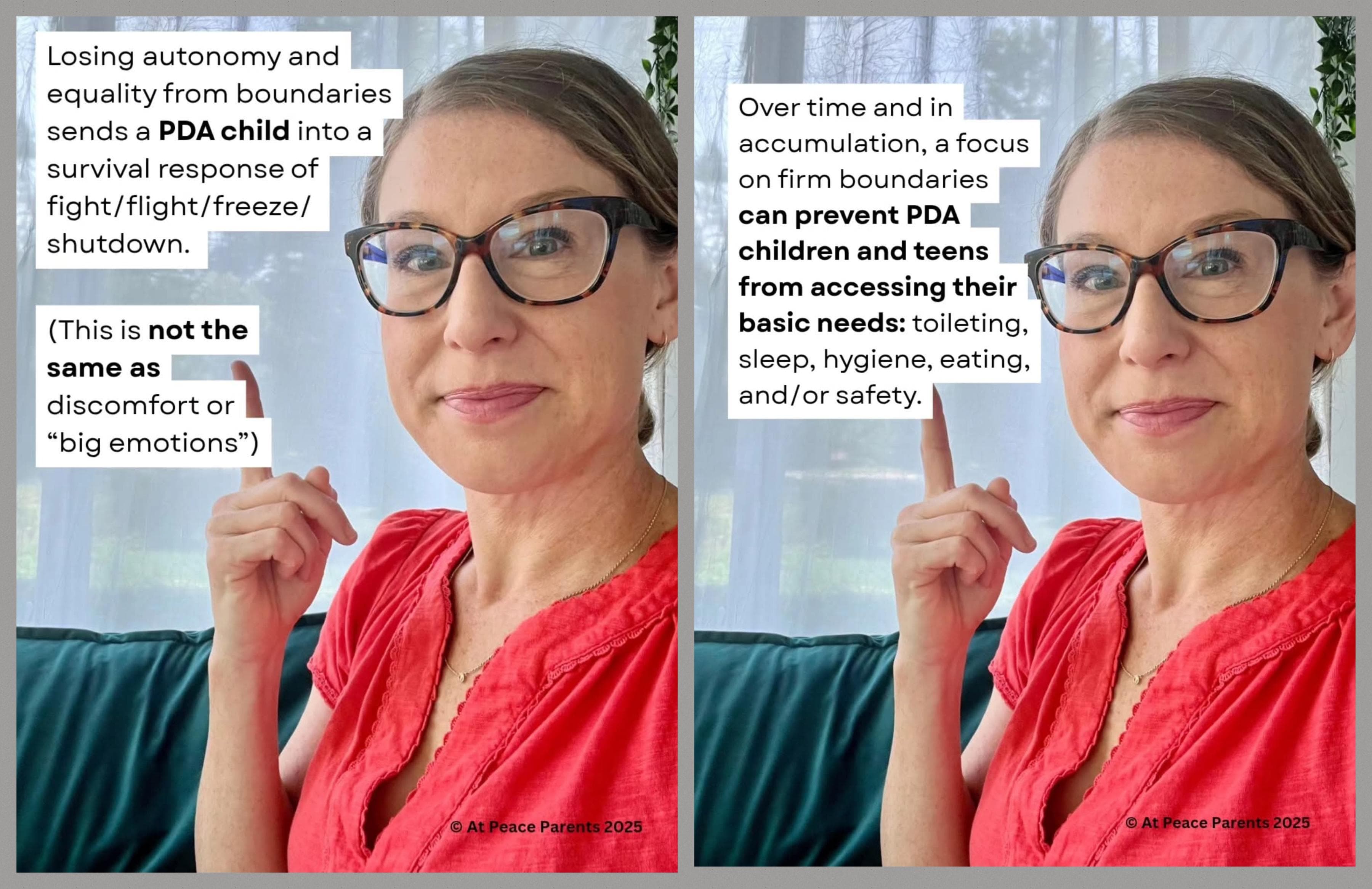
For children with a PDA neurotype especially, autonomy is not a luxury — it is regulation.