
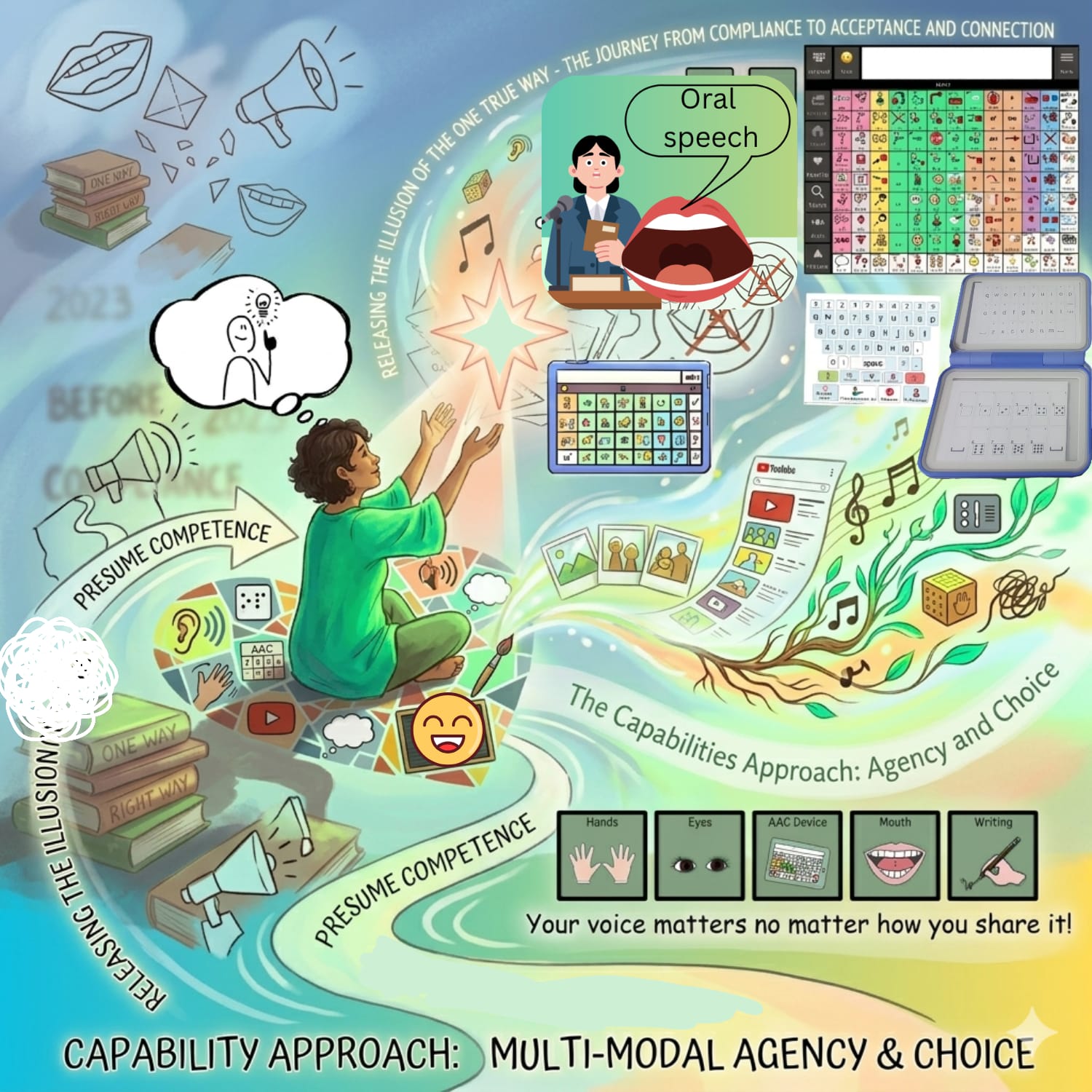
In our initial journey, I was guilty of thinking that spoken words were the goal. But as I began reading perspectives shared by the neurodivergent community—like the powerful dialogue from AUsome Training— I realized that wishing for a child to be different is often a reflection of society’s difficulty in accepting human variation.
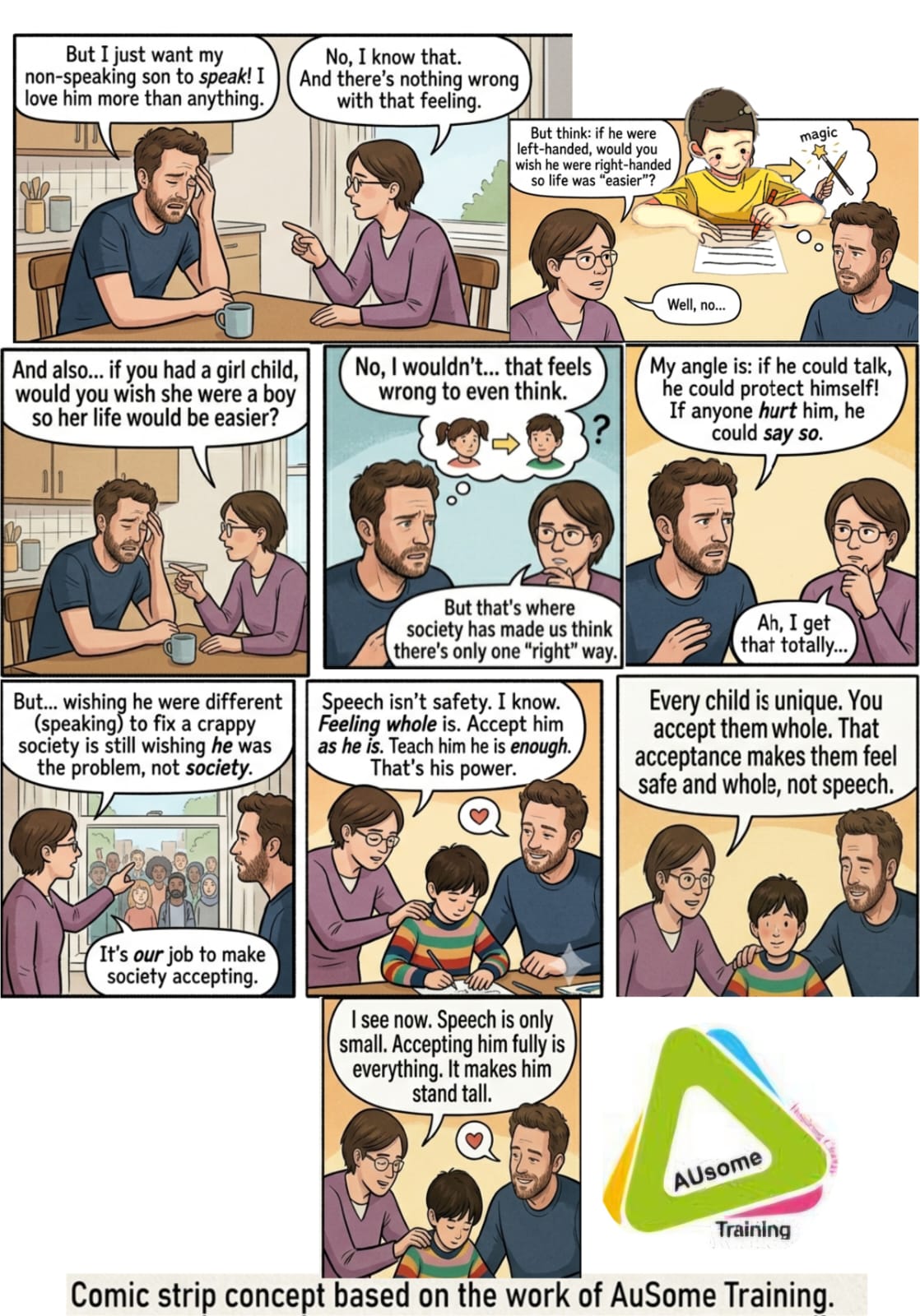
That shift helped me let go of the idea that there is "one true way" to be human. I released that angst to the past.
Later, I found myself thinking that if I could just get Arthur to use the AAC device to express words in a certain way, things would be "better". While it’s wonderful to see AAC users thriving with conventional AAC apps, the reality for many families is that their child may not want to use a dedicated communication system for months at a time. This used to cause me serious angst.
Then I discovered the work of Dr. Sheridan Forster introduced by Jennifer Cronk and the Natural Language Acquisition (NLA) community. Dr. Forster’s advocacy for non-linguistic communication taught me to value Arthur’s primary way of being. We stopped focusing on the device and started focusing on what I now call the Creative Multi-modal Communication.
This perspective is also supported by the research Rethinking device abandonment: a capability approach focused model by Smidt and Pebdani (2023), which encourages us to stop viewing non-use of devices as failure. Instead, we must see it as a child choosing the modality that is quickest, easiest, and most meaningful for them. I no longer try to make Arthur fit into someone else’s idea of how he should communicate.
When YouTube Became Arthur’s Voice
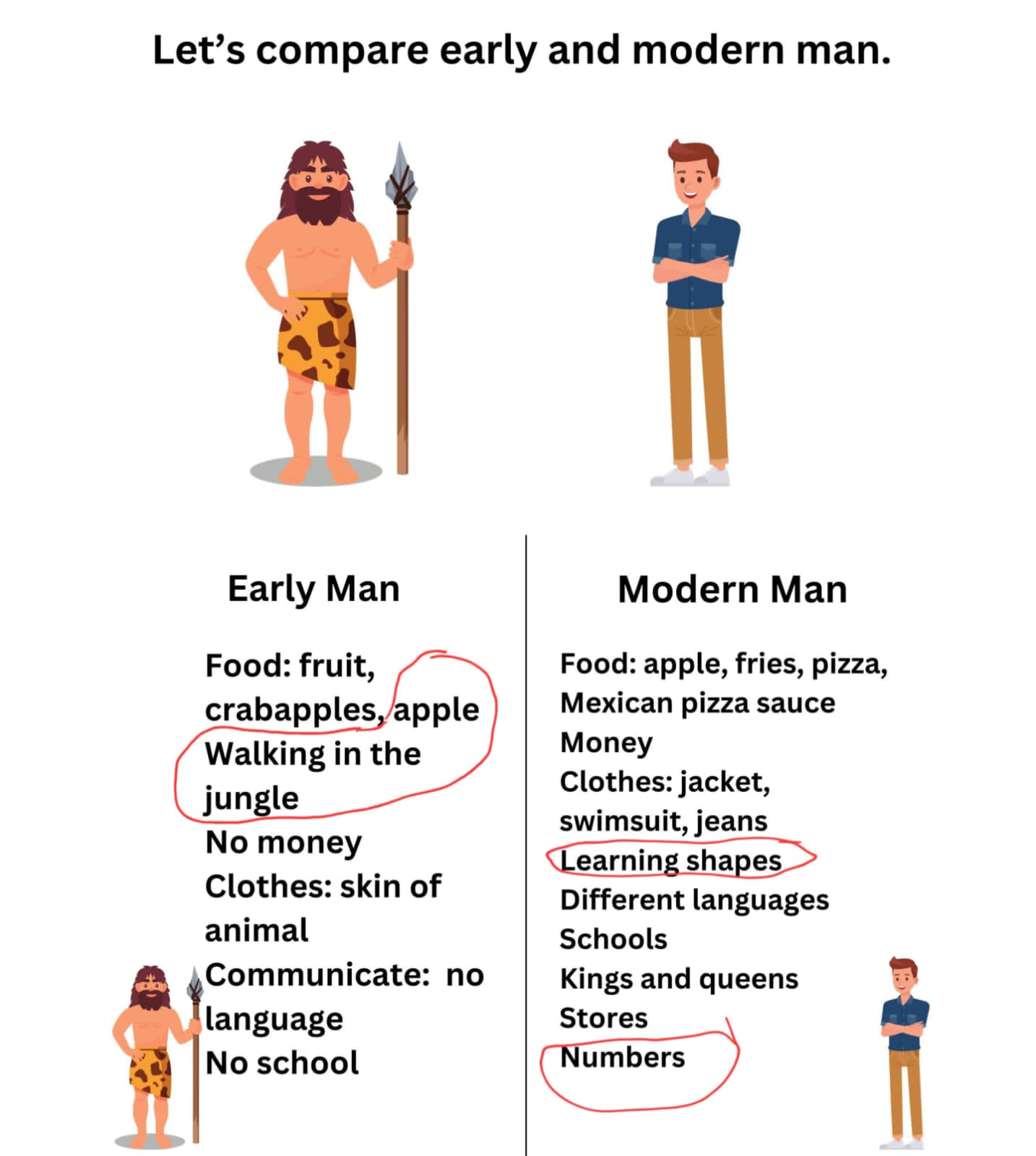
A few years back, during an online class, Arthur’s teacher, Ms. Tina, showed a video about early humans and asked a seemingly simple question:
“What is the difference between early humans and modern humans?”
I noticed something fascinating: Arthur began using YouTube videos to answer the question. At one point, another student answered "fruit" using their AAC system. Arthur responded in his own way:
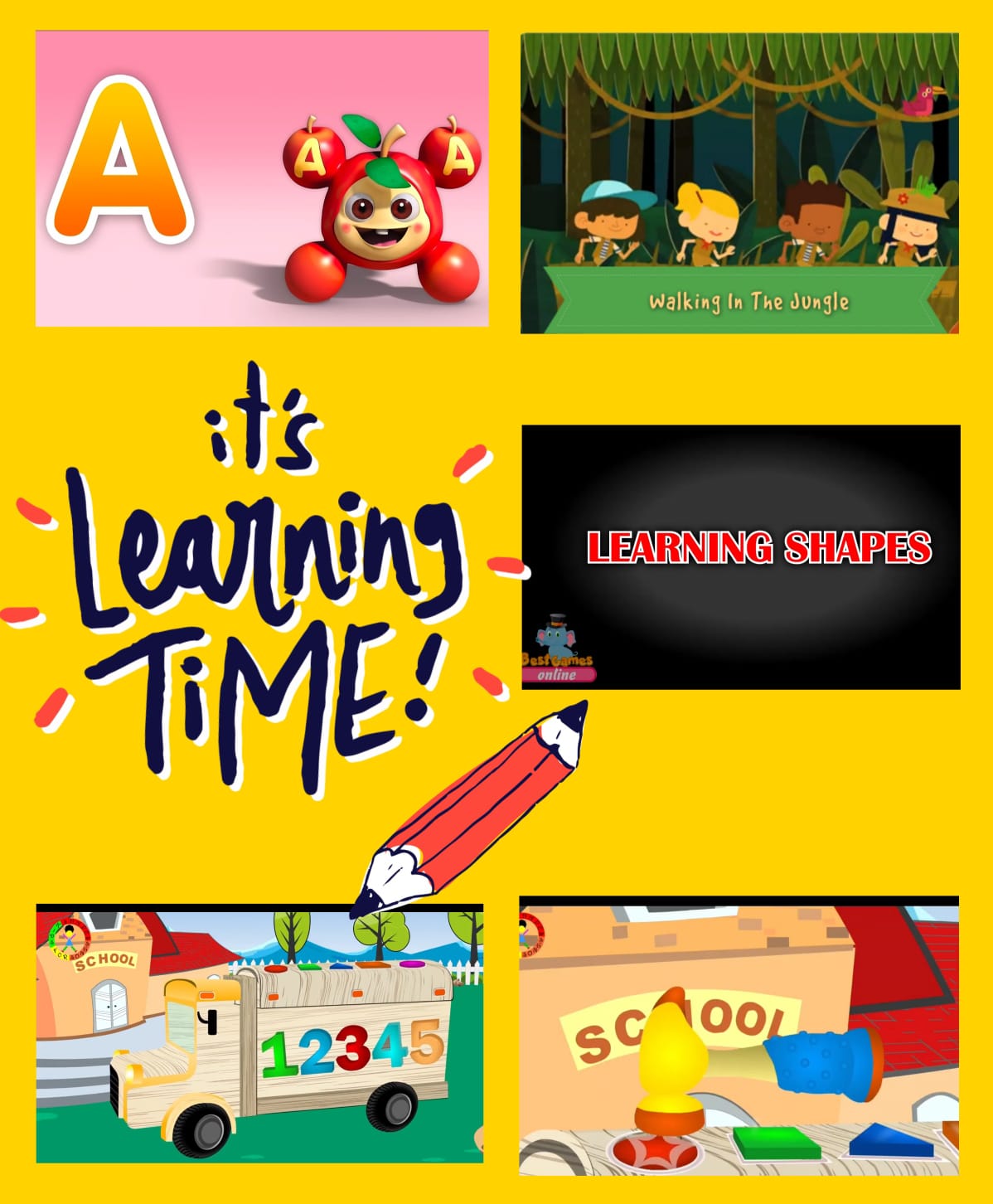
- He first selected "apple" 🍎 using a YouTube video and played it until the word apple—clearly showing that he was tracking the discussion and making a meaningful connection.
- Then, he searched for "Walking in the Jungle" and played it until the two lines. This directly mirrored the lesson content under early man.
- He was not going off-topic. He was tracking, selecting, and representing key ideas from the visual lesson—using the tools available to him.
What may look like a shift in topic was, in fact, layered thinking — Arthur weaving together ideas through association, context, and meaning.
If I had insisted on a neuronormative way of participating in the class, I would have missed Arthur’s meaningful and thoughtful communication entirely.
Mapping His Responses to the Lesson
Arthur’s later choices became even more meaningful:
- Next he played the video the introduction until it said out aloud "learning shapes" aligned with modern man → education.
- Then I noticed something fascinating he selected another video where a numbers and shapes bus was shown next to a school connected to the structured technological life.
- The hammer linked back to early humans using tools.
What I observed wasn't just participation. It was visual attention, concept mapping, categorization, and cross-context thinking—all expressed through videos.
The Power of Noticing Details
In Ms. Tina’s lesson, early humans were shown using stone tools— hammer-like objects—to shape their environment. Arthur’s response stood out. He didn’t just choose any “modern” example; instead, he selected a video where a hammer appeared in a completely different context.
This moment was deeply significant. It showed that Arthur:
- Noticed a specific feature—the hammer/tool.
- Held onto that idea.
- Recreated it in a new context using a different video.
This was not random selection; this was intentional, thoughtful communication —a clear example of how meaning can be expressed beyond conventional language systems.
Expanding Our Definition of AAC
Arthur’s story invites us to reflect: Are we limiting communication by defining it too narrowly? In AAC, we often focus on dedicated devices, communication apps, and structured systems. But communication is not confined to tools—it lives in how a person uses what is available to them. Arthur used YouTube as a language system, a search engine for meaning, and a bridge between thought and expression.
Technology as an Extension of the Body
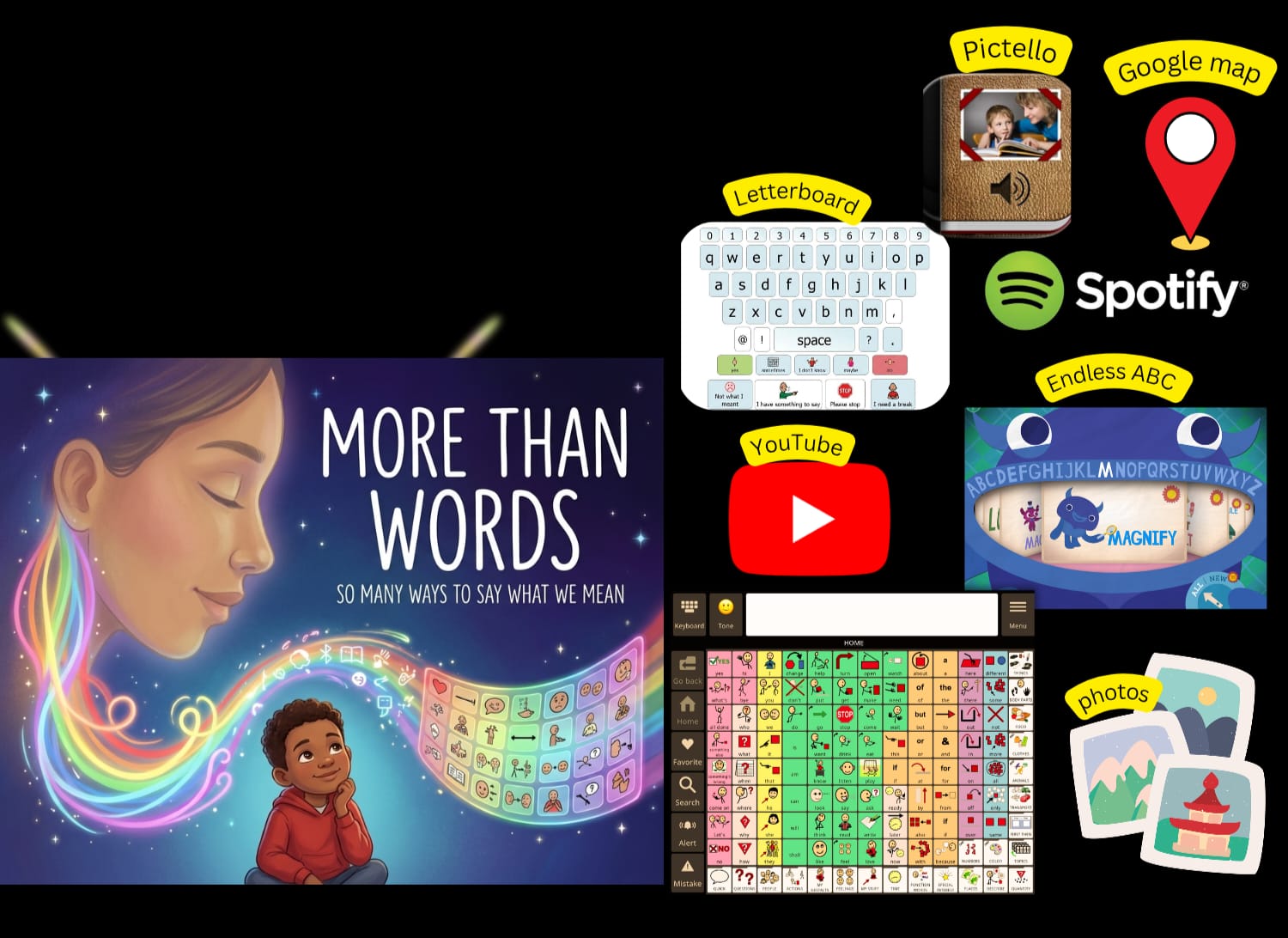
During the early stages of our AAC journey, I learned from Autistic self-advocate Cal Montgomery that many disabled individuals view technology not just as a tool, but as an extension of their body. Arthur is not alone; across the world, individuals are using technology in beautifully unexpected ways:
Using YouTube videos to express thoughts and ideas.
Using Spotify to communicate emotions and preferences.
Using Pictello to build narratives.
Using unconventional apps like Endless ABC / Endless Reader to communicate.
Using Navigation tools like Google Maps to express experiences and memories.
When we limit technology to "appropriate" or "expected" uses, we take away power. Typical children use their bodies to explore and learn; children with communication access needs deserve the same digital autonomy. For many disabled individuals, technology is that environment. It is not separate from them. It becomes their voice and their way of interacting with the world.
Having access to the full set of tools that you as the parent or caregiver have decided is appropriate for your child or client gives them more communicative power—and also the ability to self-regulate, learn, and engage with the world in meaningful ways.
When we allow this access, we are not “losing control”; we are expanding communication. When we restrict how technology "should" be used, we risk limiting expression, autonomy, and identity.
A Shift We Urgently Need
These stories remind us that communication does not have to look conventional to be meaningful. Understanding can exist without spoken words, and expression can be multimodal, dynamic, and deeply personal. Our role is not to shape communication into familiar or socially accepted forms, but to pause, notice, interpret with curiosity, and respond with respect.
Closing Reflection
Arthur didn’t just answer a classroom question. He showed us a different way of seeing—a way where a song becomes context, a cartoon becomes comparison, and a hammer becomes history.
And YouTube becomes a voice. Because when we truly listen—beyond speech—we begin to understand.