Over the past few weeks, our family has experienced a season of significant change. We traveled to India following a family bereavement, navigating disruptions to routines, unfamiliar environments, long waits, and multiple social gatherings. Like many parents, I was doing my best to support my child while also processing my own grief and managing the practical demands of family life.
My son seemed to cope with much of it. There were moments of dysregulation, but there were also moments of joy. Yet, one particular event has stayed with me.
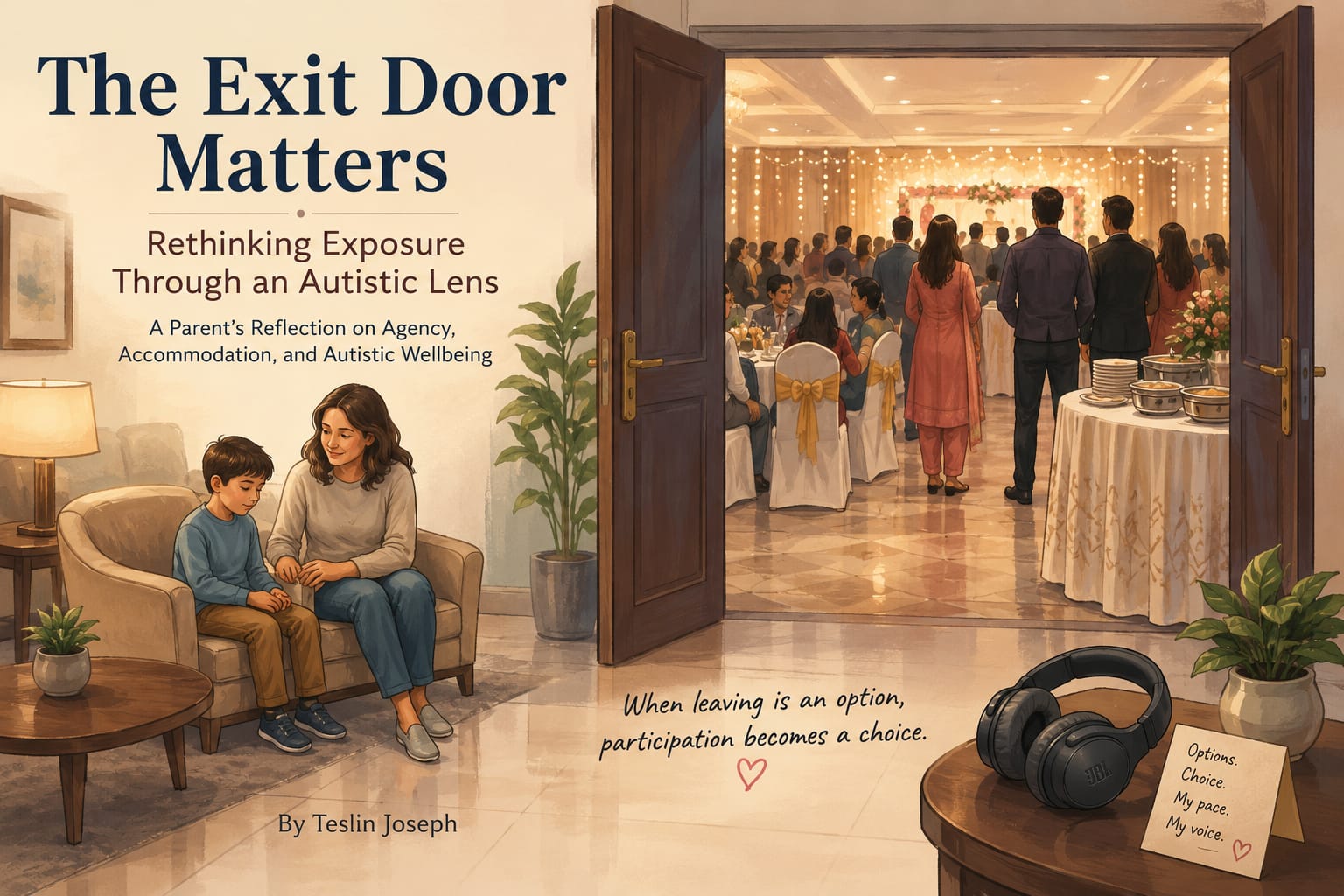
We attended a celebration at a hotel. When we arrived, my son appeared excited; he walked in happily and seemed eager to explore. But when it was time to enter the banquet hall where the event was being held, I noticed a shift.
The environment was busy and unfamiliar. Although the noise level wasn't overwhelming at first, he was hesitant to enter.
Still, he came in with us.
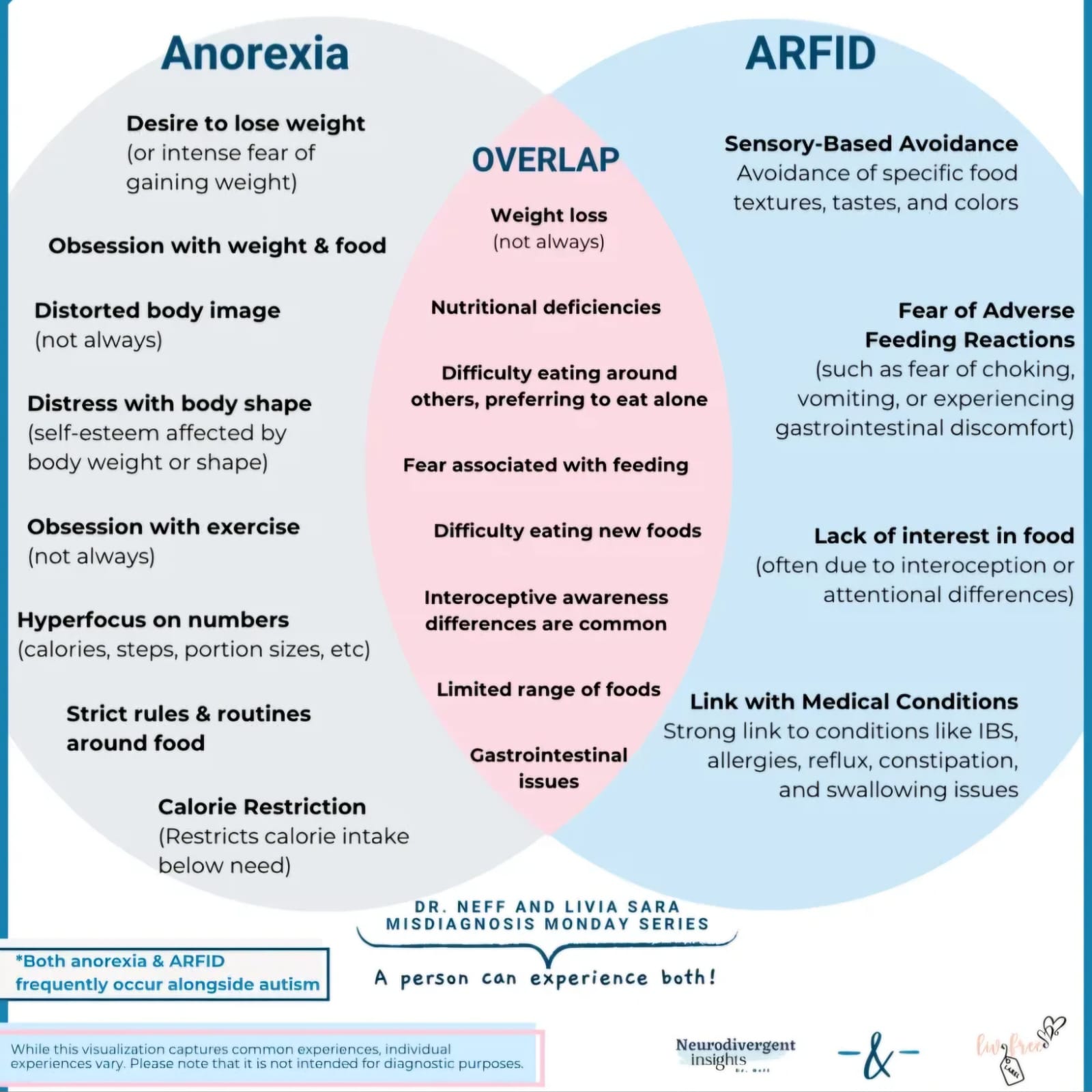
At first, he appeared to manage. He explored the space, found ways to regulate, and even drank some apple juice—something unusual for him because, due to ARFID+, trying unfamiliar foods or drinks is often difficult. Looking back, I wonder whether I interpreted outward coping as comfort. He may already have been working hard to manage an environment that felt overwhelming.
Then the noise level increased.
At one point, when everyone stood up at the same time for a prayer, my son immediately became excited and began communicating a familiar message: "It's time to go."
I’ve often noticed that when people stand up during an event (that feels chaotic for him), he interprets it as a cue that the experience is ending and that relief is coming. On this occasion, he was clearly signaling that he was done. I offered his familiar sensory supports: a stretchy noodle, Wacky Track, Tangle, a mesh-and-marble fidget, and even access to YouTube.
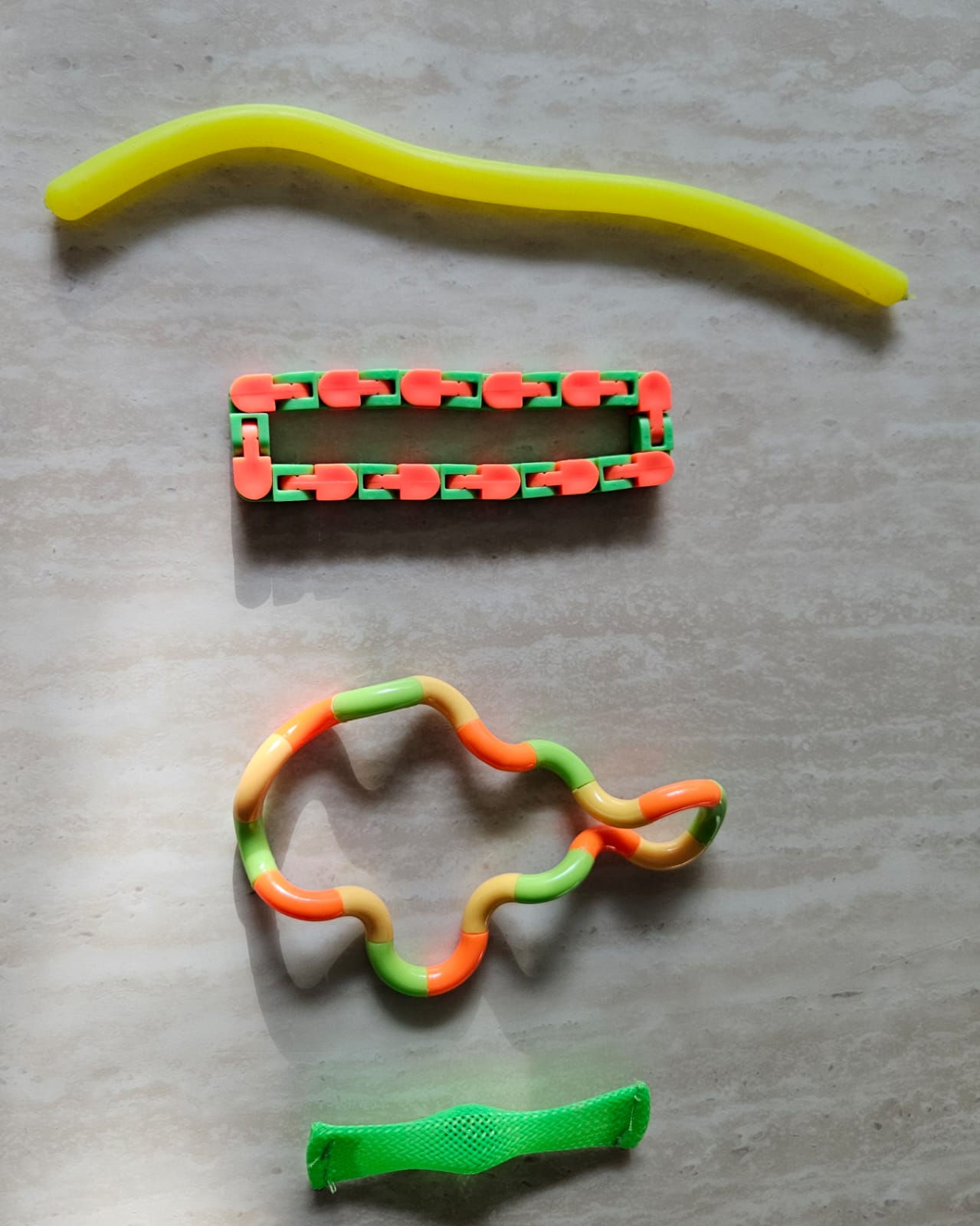
A few minutes later, he handed them back to me.
Looking back, I feel that he was communicating something very specific and important: "I don't need more coping tools. I need less of what I'm coping with."
Sometimes the answer is not another regulation strategy; it is reducing the demand itself.
Instead of leaving immediately, we encouraged him to stay a little longer. I deeply regret waiting until he became teary before we finally stepped outside into the lobby.
Almost instantly, I saw a different child. He relaxed. He smiled. He enjoyed simply sitting there with my husband, my brother-in-law (his favorite uncle), and me as we took turns going back inside to eat. There was no pressure, no noise, and no expectation to return.
It made me wonder: What if the lobby wasn't a failure to participate, but rather the exact accommodation that made participation possible?
The Hidden Ledger of Cumulative Load
Many autistic children can appear to cope in the moment. They may sit quietly. Follow adult expectations. Remain in the room. Accept sensory supports. Participate intermittently.
A child may be using enormous amounts of energy to remain regulated.
Sometimes the evidence appears later:
- Increased irritability
- Meltdowns
- Aggression
- Reduced tolerance for everyday frustrations
- Increased need for predictability
- Heightened sensory sensitivity
- Sleep disruption
- Reduced ability to communicate basic needs
In the days that followed, we saw a significant increase in aggressive meltdowns, emotional dysregulation, food aversions, unable to communicate his needs, such as hunger, diaper change, etc. While travel, disrupted routines, and a parent leaving for the office were all contributing factors, the experience left me with an urgent question: When an autistic child successfully remains in an overwhelming environment, how do we measure the cost of that success?
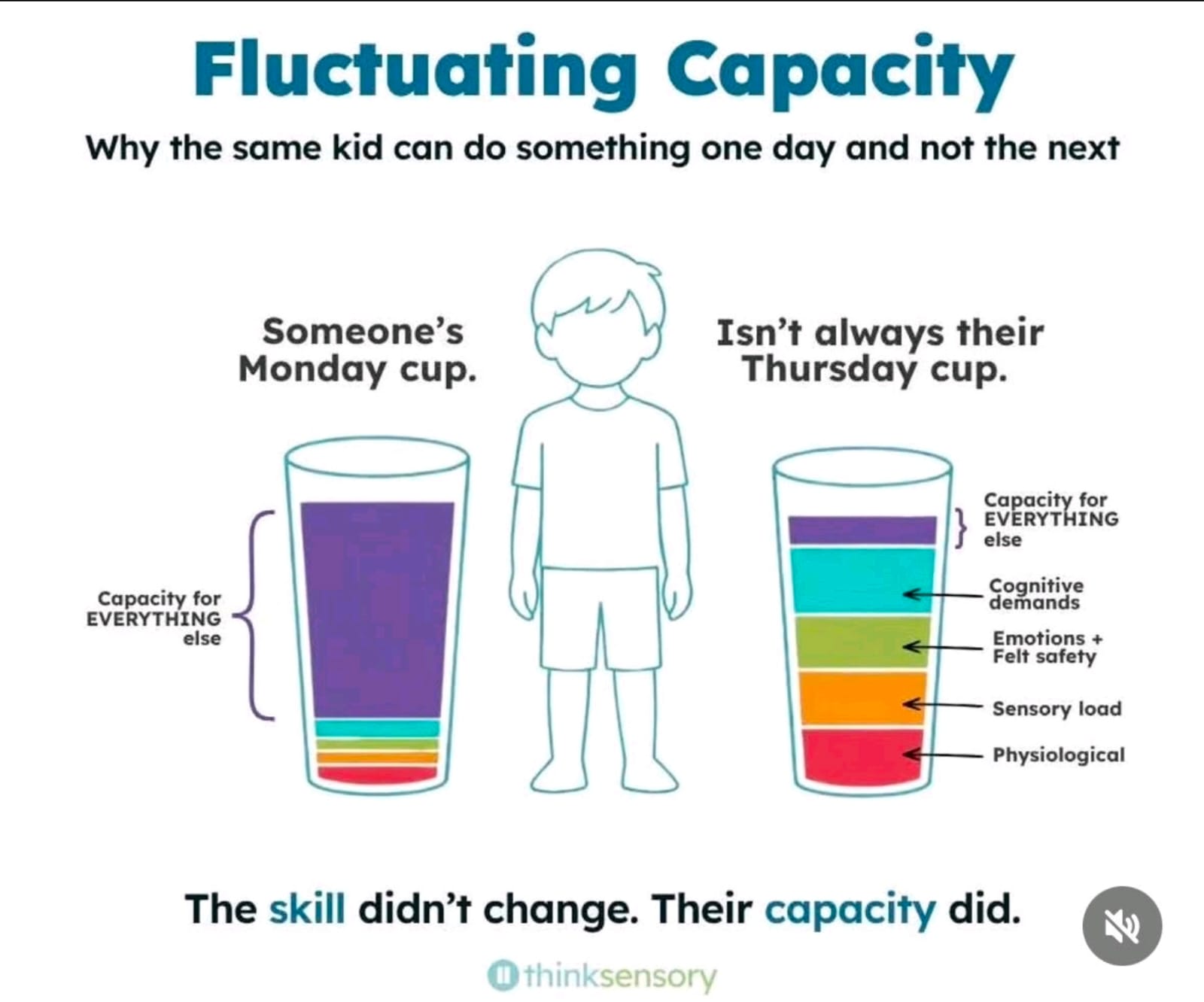
Every overwhelming sensory experience adds water to an internal bucket. A crowded room, a power cut for a whole night, a loud party—each adds a little more. Many autistic children work incredibly hard to hold everything together during the event itself, even when the effort is largely invisible to those around them. The bucket fills to the brim. Then, a minor frustration triggers an overflow. Coping is not the same as comfort, and endurance is not the same as well-being.
A few days later, we were invited to another birthday party. During the drive, my husband and I found ourselves debating whether we should attend. I suggested skipping the loud cake-cutting ceremony. My husband, operating from a place of deep love and a desire to prepare our son for the future, felt that exposure builds tolerance.
I understand where this perspective comes from. Exposure is often recommended for anxiety, and many of us have heard the message that avoiding discomfort only makes fears stronger.
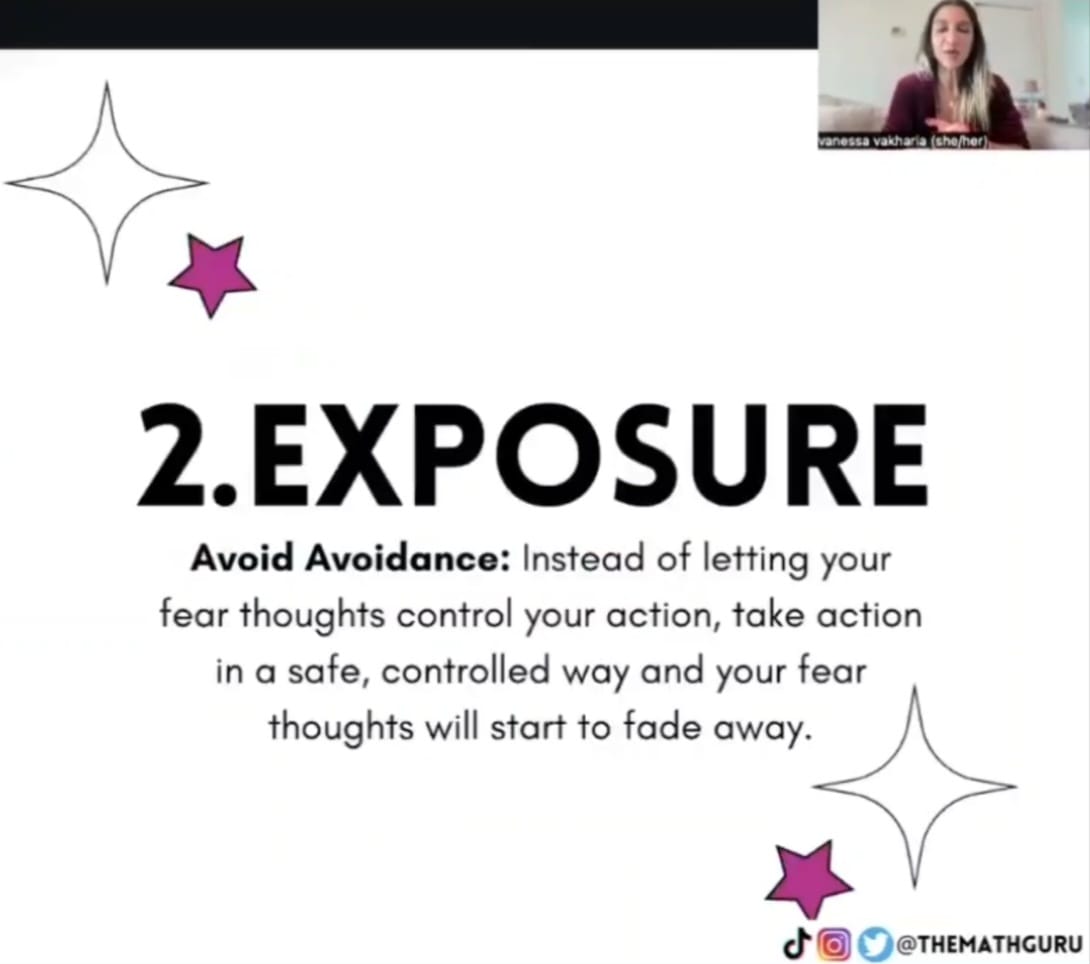
The challenge, however, is that not all distress comes from fear. An autistic child who is overwhelmed by sensory input may not be avoiding an imagined threat. Their nervous system may be responding to a very real experience of overload. In those moments, accommodation and the freedom to leave can be just as important as learning new coping strategies.
I tried to use an analogy about driving to explain my perspective, but in the moment, it felt like my words failed.
My husband dislikes driving in chaotic traffic where rules aren't followed, and reckless behaviour seems common without any consequence. If given a choice, he will avoid it. Yet when circumstances require it, he might choose to drive because he has the cognitive agency to evaluate the risk and mentally prepare. When I tried to explain that our son doesn't have that choice, the conversation felt defensive, and I chose to step back until we were both in a calmer frame of mind.
Two Analogies for the Overloaded Nervous System
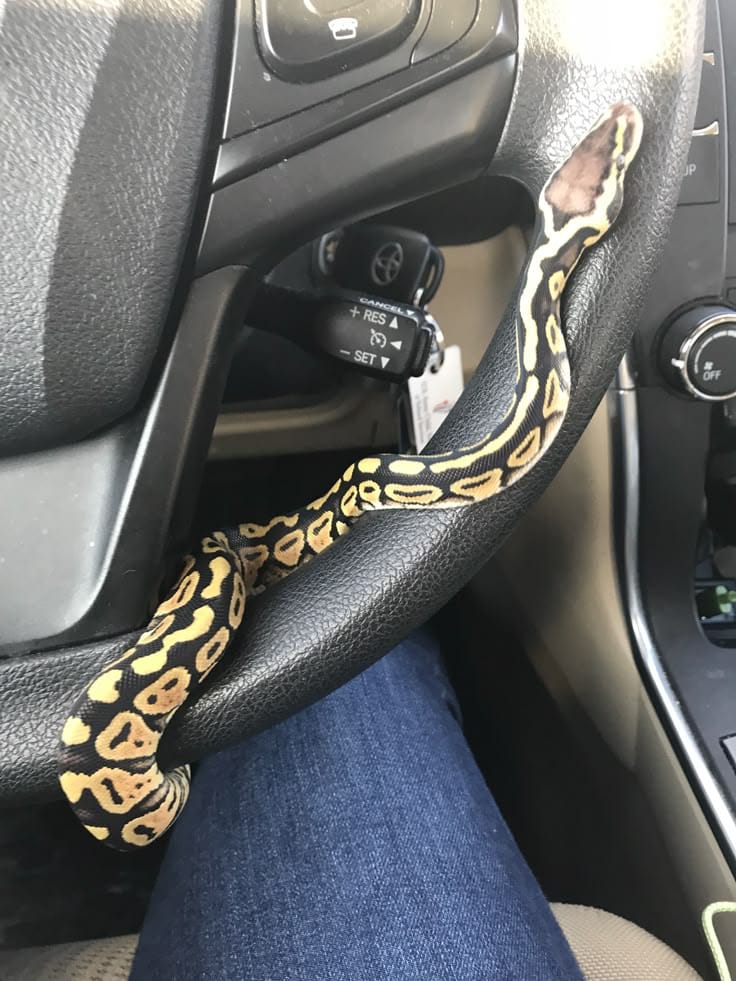
Seeking clarity, I discussed this dynamic with my psychotherapist. They offered a striking analogy: For an autistic child, entering an overwhelming sensory environment can feel like trying to drive a car with a venomous snake coiled around the steering wheel. It isn't just "uncomfortable"—it triggers a primal, physiological threat response.
TW: Picture of snake head
It made me think of another experience closer to home.
Imagine going on a steep, unfamiliar mountain hike, but you carry the immense, exhausting responsibility of keeping a vulnerable child safe on the edge of a slippery cliff. Your heart rate is up, and your brain is working at 200% capacity to predict danger. You aren't relaxing or enjoying the view; you are purely surviving it.
If you had to endure that high-stress, high-anxiety hike multiple times a week or a month, your mental health would collapse. You would return home spent, dreading the next trip, and your patience would wear thin over the smallest everyday frustrations.
For an autistic child, walking into a chaotic social gathering is that high-stakes cliffside hike. Their sensory system cannot automatically filter out background noise, unpredictable, busy environments, or sudden loud sounds such as cheering, hooting, or applause. Even if they are sitting quietly, their nervous system is running a marathon on a cliff's edge.
Redefining the "Frustration Flow"
This concept of choice and agency isn't just something I am trying to implement at home; it is supported by the neuroaffirming educators in my son's life.
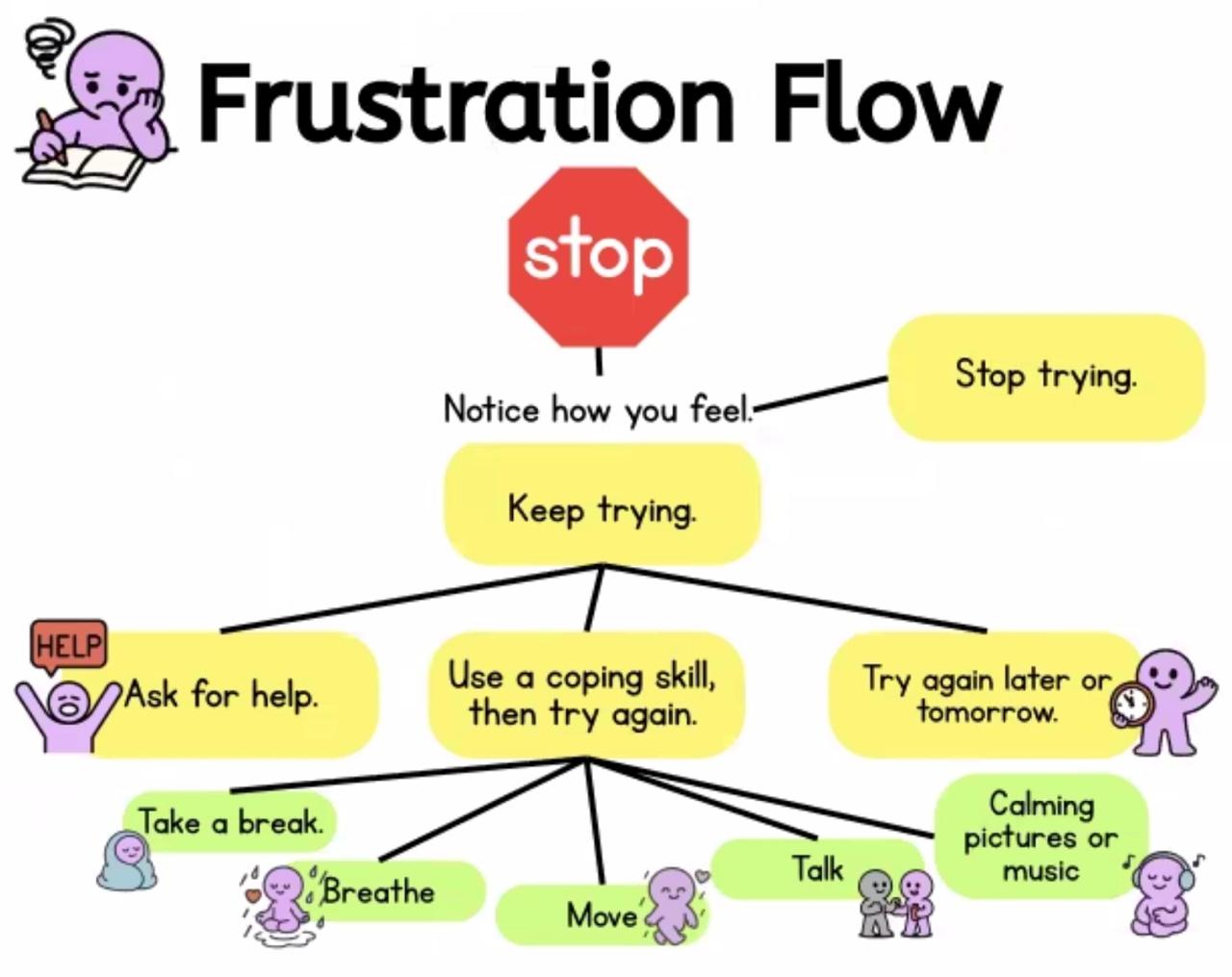
During an online RASA class conducted by Ms. Kate Ahern, a visual diagram titled "Frustration Flow" was shared to map out how we navigate difficult and overwhelming moments.
Traditional behavioral approaches often look at the middle tier of that chart: Keep trying. We are conditioned to think that pushing through, using a coping skill, taking a breath, or changing the sensory tool is the only successful path forward.
But look closely at the branch that breaks off immediately after you "Notice how you feel." It gives an equal, valid, and highly necessary alternative: Stop trying.
Sometimes, the most regulated, resilient thing a person can do is recognize that an environment or a task has exceeded their current capacity, and choose to stop.
When we enforce exposure without a child's consent, we erase the "Stop trying" option from their chart. We force them down the "Keep trying" path until their internal system breaks.
Preserving Agency for the Future
When we understand this, the way we introduce supports changes entirely. For instance, we recently purchased noise-cancelling headphones for our son. Because of tactile sensitivities, he prefers not to wear them yet.
Following a consent-based approach, our goal isn't to force compliance during a meltdown. Instead, we are building familiarity at his pace at home—letting him look at them, hold them, or touch them to his ears for a single second, always respecting his choice to stop.
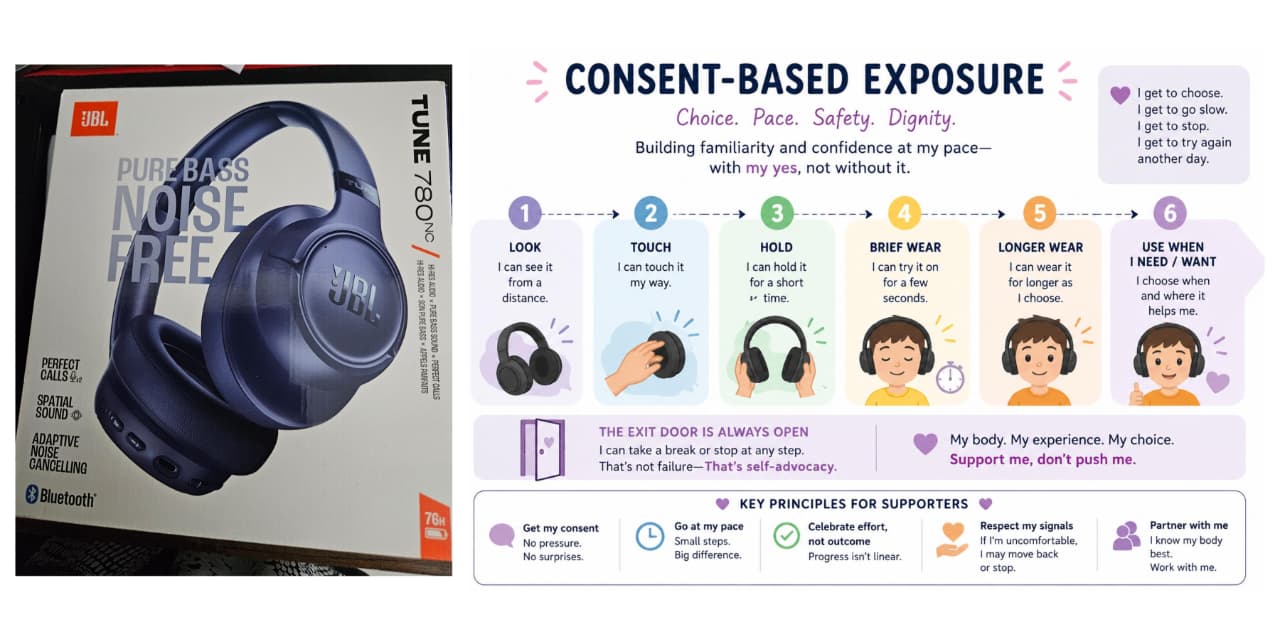
This approach expands his options while preserving his agency. It feels entirely different from forcing a child to stay in a room after they have expressed a clear need to leave. Healthy exposure requires choice, predictability, and the freedom to stop.
The exit door matters.
When our children look for a signal that relief is coming, we shouldn't just ask if they "survived" the environment. We must ask what it cost them to survive it.
When we honor their communication and allow them to leave, we aren't giving up. We are sending a powerful message to their nervous system: “You are safe with me. Your communication matters. I will help protect your boundaries.”
Paradoxically, knowing the exit door is always open makes a child much more willing to try. Participation becomes an invitation rather than a trap.
True resilience isn't teaching a child how to endure discomfort without protest. It is helping them build enough internal safety, trust, and self-understanding that they can confidently advocate for their own needs throughout their lives. That is the future I want to prepare my son for.
.png)