This blog is a walkthrough of the transition in my thought process from despair to infinite possibilities.
“Our Thoughts Create Our Reality!” This statement made no sense to me when I was younger. I would have never believed in this ideology back then. My lived experience as a mother to a neurodivergent child, and subsequently finding out about my own neurodivergence, changed my perspective on life. Until that time, I coped with my emotions in ways I thought were best for me.
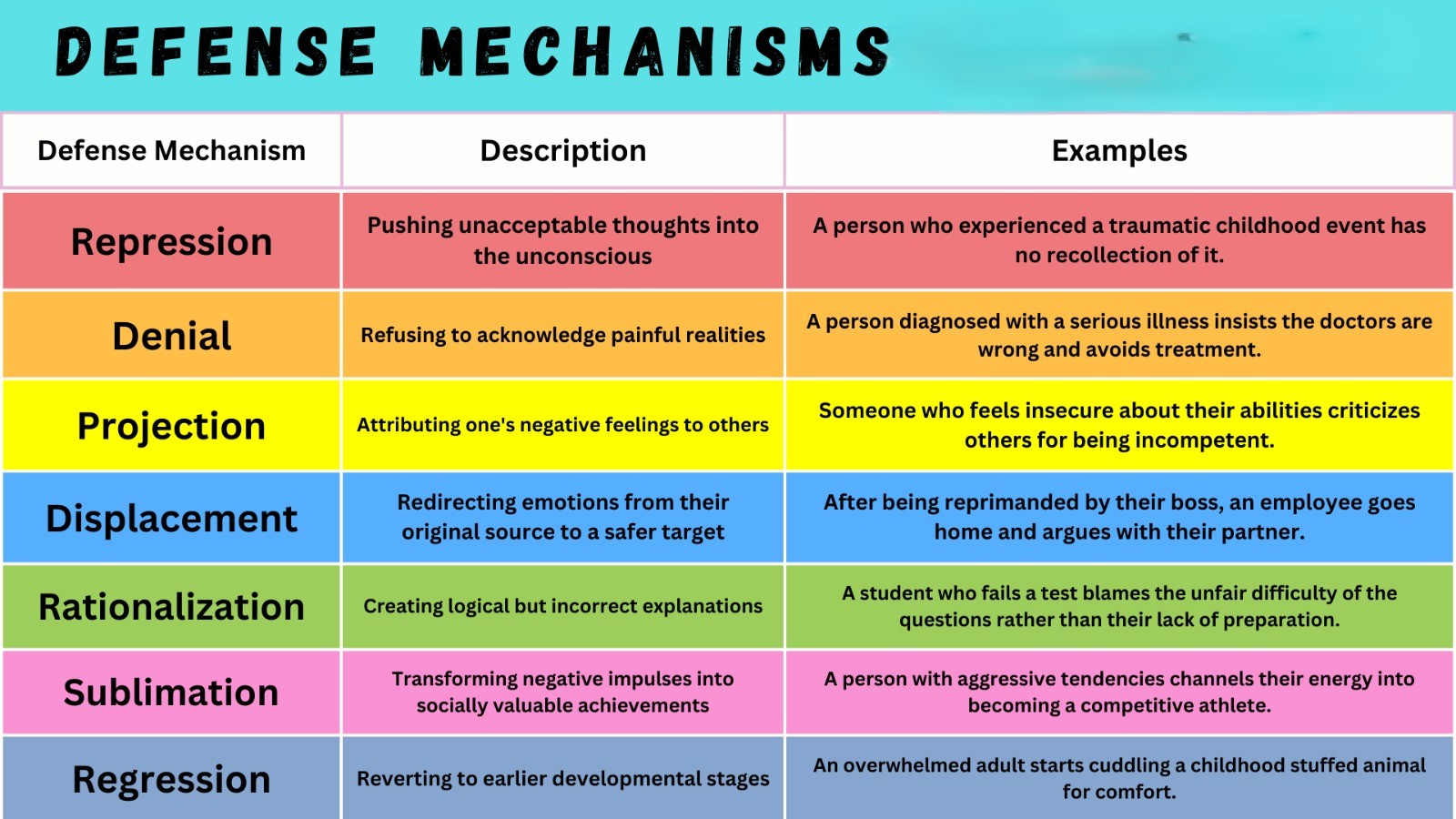
My negative emotions mostly protected me from my real feelings. I had my defence mechanisms* (unconscious psychological processes) to face circumstances and protect my emotional vulnerability. For each situation, I had to have a set of outcomes (negative or positive), as unknowns triggered anxiety in me. I would always choose to believe the worst and hope it would turn out better. This was my way of coping with uncertainty since childhood. I found myself embracing a negative mindset because the predictability of bleak outcomes felt safer. Unable to process my emotions, I suppressed them, which created self-doubt at every juncture. Without realising it, I mostly hid my true feelings. On the surface, I appeared just like any other teenager, but internally, I felt a storm brewing.
As a teenager, I was, most of the time, confused, angry and irritated for reasons I couldn't decipher back then. I did not know how to express my emotions to anybody. I learned to suppress and mask them with anger. I hated the changes that happened in my body in my teenage years with an intensity that used to scare me. I had difficulty processing what I was going through emotionally and physically, and I would blank out. To avoid drawing attention, I would act as if everything was fine.
As I embraced motherhood, I found myself at a crossroads again, and pessimism loomed large over my life. The sensory overwhelm of the caregiving role blew my lid off. Constant demands on me made me even angrier than ever. My body retaliated to all the pent-up frustrations with a slipped disc (a painful back condition where the soft tissue between the vertebrae herniates and touches the nerves near the spine, causing excruciating pain). During this period, my lower back pain was at its peak. My prediction of back pain inevitably turned out just the way I thought it would. On one occasion, after a relapse of my slipped disc, I was already on the strongest painkillers available and spinal injections were my only options to recover.
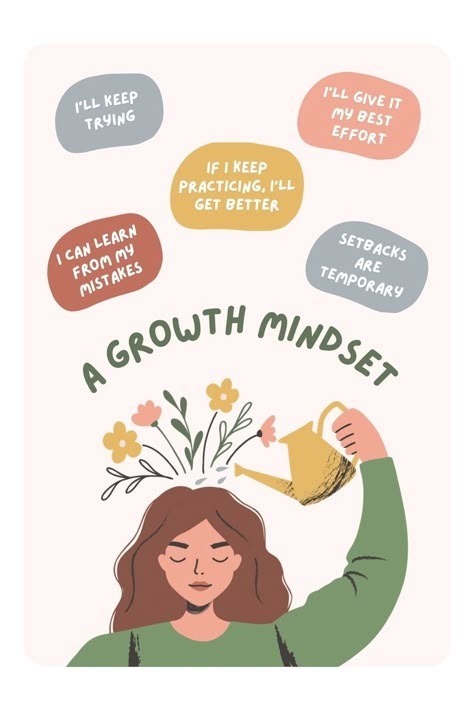
That experience was a rude awakening for me. I realised that my habit of catastrophizing was making my fears come true. It felt like I had hit rock bottom, and I needed to consciously work on changing my mindset.
It wasn't easy; being negative felt like home to me. It felt like a safety blanket that protected my real self from everyone. With therapy support, I gradually learned to believe in myself and find better ways to acknowledge and process my true emotions. Slowly, my back healed through regular exercise and medications. I decided not to let the fear of back pain occupy my mental space for long. I had learned that the more I pay attention to my fears, the more they get blown out of proportion and usurp my happiness. I decided to be mindful of my thoughts in such situations.
We all have billions of thoughts running through our minds, yet only about 5% reach our conscious awareness. The rest of the thoughts are deeply embedded in the subconscious, quietly influencing our lives. Shifting these underlying thoughts takes real effort, but they ultimately shape the reality we experience. Every day, I challenged each negative thought by questioning it and imagining a more positive outcome. I learned to accept when things didn't go my way, choosing instead to face situations and to go with the flow. Letting go proved to be the most difficult step, as negative emotions can feel addictive.
Things that helped me snap out of the negative loop of thoughts
Despite efforts, there were times when I would find myself in an abyss of negative thoughts. To snap out of the loop, I did these few things(As suggested by my therapist)-
- Listen to peppy music to improve my mood.
- Go through the album of my favourite pictures/videos.
- Go for walks.
- Go on long Car Drives.
- Journal- to either rationalise my fears or to visualise my future as I want it to be.
- Read Books
- Sing out loud (it helped regulate my breathing)
- Love and pamper myself as I would for a dear friend.
- Being kind to myself
This change in thought process helped me face innumerable other situations with courage that I wouldn't have been able to do earlier. It has changed the trajectory of my life. I took a leap of faith and chose to believe that good things were happening for my family and me.
Every morning and night, I say this to myself
I believe in myself!
I deserve happiness, health, and peace of mind!
Staying Positive does not mean things will turn out okay; it's knowing that you will be okay no matter how things turn out!
I sought help from psychologists during these phases, and these are just snippets of what I learned in the process
Defence mechanisms
Defence mechanisms are unconscious psychological processes we all have to protect ourselves from adverse circumstances and feelings of anxiety and fear. They provide temporary relief from trauma. They are what they imply: defend your true self from getting hurt. They can't remove the source of trauma. For that, we need to identify our triggers, face them with mindfulness and seek help from professionals, thus moving towards self-growth.
Check out these seven defence mechanisms to see which one you use unconsciously.



.png)